Patient expectations from healthcare systems are evolving rapidly. Hospitals are no longer evaluated solely on clinical outcomes but also on the quality of patient experience they provide. From communication and service efficiency to comfort and transparency, patient experience has become a central component of modern hospital administration.
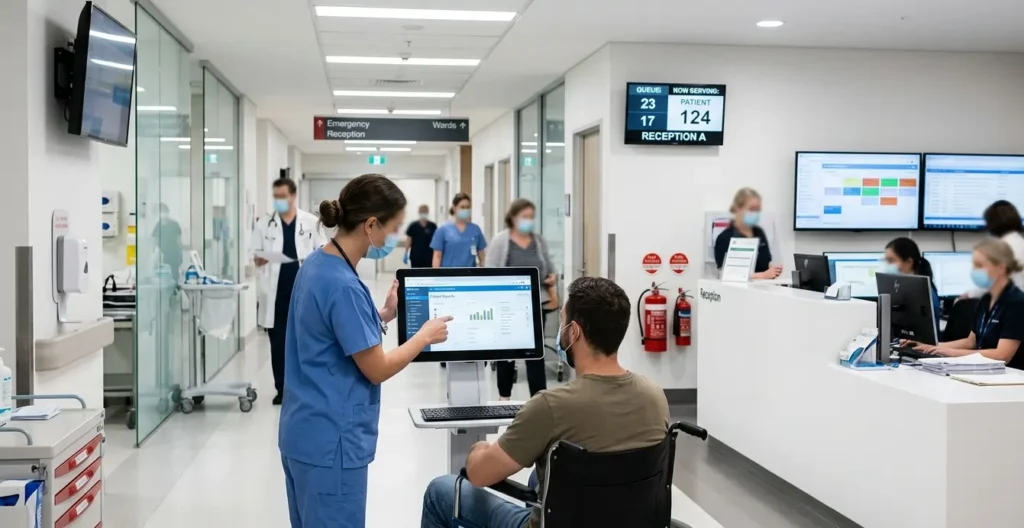
Patient Experience Management in Hospitals: Improving Care Quality and Satisfaction
Hospitals operate in an environment where patient care extends beyond diagnosis and treatment. The overall experience of patients, including how they are treated, informed, and supported throughout their healthcare journey, has become a critical factor in evaluating healthcare quality.
Patient experience management focuses on creating systems that improve communication, reduce delays, and enhance patient satisfaction. As healthcare systems become more patient-centered, hospitals must integrate experience management into their operational strategies.
This shift reflects a broader transformation in healthcare, where patient expectations and service quality are closely linked to institutional reputation and performance.
Understanding Patient Experience in Healthcare
Patient experience refers to the interactions patients have with healthcare providers, staff, and hospital systems during their treatment journey. It includes factors such as communication, accessibility, waiting times, and overall service quality.
These experiences are shaped by structured hospital administration and healthcare management systems, where operational planning and patient care coordination work together to ensure smooth service delivery.
Effective management of patient experience requires a holistic approach that integrates clinical care with administrative efficiency.
Communication and Patient Engagement
Clear communication is one of the most important components of patient experience. Patients need to understand their diagnosis, treatment options, and care plans in a transparent and supportive manner.
Hospitals must establish systems that enable effective communication between healthcare providers and patients. This includes digital communication platforms, patient counseling services, and feedback mechanisms.
These communication processes are closely linked with hospital operations management systems, which coordinate workflows and patient interactions across departments.
Strong communication improves trust, reduces anxiety, and enhances overall patient satisfaction.
Service Quality and Operational Efficiency
Patient experience is directly influenced by how efficiently hospital services are delivered. Long waiting times, delays in procedures, and lack of coordination can negatively impact patient perceptions.
Hospitals must streamline their processes to ensure timely service delivery. This includes optimizing appointment systems, improving patient flow, and reducing administrative delays.
These improvements are supported by hospital quality management systems, which focus on maintaining consistent standards of care and service delivery.
Efficient operations contribute to a smoother patient journey and better healthcare outcomes.
Role of Feedback and Continuous Improvement
Patient feedback is a valuable tool for improving healthcare services. Hospitals collect feedback through surveys, digital platforms, and direct interactions to understand patient needs and identify areas for improvement.
Analyzing feedback helps administrators make data-driven decisions and implement changes that enhance service quality. Continuous improvement ensures that hospitals adapt to evolving patient expectations.
Challenges in Patient Experience Management
Hospitals face several challenges in managing patient experience, including high patient volumes, resource constraints, and diverse patient expectations. Balancing operational efficiency with personalized care can be complex.
Additionally, healthcare systems must address issues such as communication gaps, staff workload, and infrastructure limitations. Overcoming these challenges requires strategic planning and effective leadership.
Academic Relevance for Future Hospital Leaders
Patient experience management is an essential component of the Master of Hospital Administration (MHA) program at RIHS, where students learn how to design patient-centered systems, improve service quality, and manage healthcare operations.
Future hospital administrators must develop the skills required to enhance patient satisfaction while maintaining operational efficiency.
The Future of Patient Experience in Healthcare
The future of patient experience management is being shaped by digital technologies, personalized care models, and data-driven decision-making. Hospitals are increasingly adopting patient engagement platforms, telehealth services, and real-time feedback systems.
As healthcare systems continue to evolve, patient experience will remain a key indicator of quality and performance. Institutions that prioritize patient-centered care will be better positioned to deliver effective and sustainable healthcare services.