
Public Health Career in India
Scope, Government Policy, Growth & Future Outlook (2025–2035)
Public health in India has entered a decisive decade. What was once considered a supporting healthcare discipline has now become central to national development, economic stability, and social resilience. The conversation has shifted from hospital capacity alone to prevention, preparedness, surveillance, and system strengthening.
India is home to over 1.4 billion people. Managing the health of such a vast and diverse population requires more than clinical care. It demands structured public health systems, trained epidemiologists, policy analysts, program managers, and health data specialists who can operate at a population level.
The demand for public health professionals today is not temporary or trend-driven. It is rooted in long-term policy transformation and structural healthcare reform.
India’s Health Landscape: Why Public Health Is No Longer Optional
India faces what global health experts describe as a “dual burden of disease.” On one hand, communicable diseases continue to affect vulnerable communities. On the other, non-communicable diseases (NCDs) such as cardiovascular disease, diabetes, chronic respiratory illness, cancer, and mental health disorders account for nearly two-thirds of total mortality in the country.
Urbanization, environmental stress, air pollution, water contamination, climate variability, and lifestyle changes are reshaping India’s disease patterns. Vector-borne diseases are increasingly influenced by changing climate conditions. Mental health disorders are rising among younger populations. Aging demographics are projected to increase by 2030, further shifting healthcare demand.
These challenges cannot be managed solely within hospital walls. They require surveillance systems, predictive analytics, policy planning, preventive intervention frameworks, and long-term program evaluation.
This is the space where public health professionals operate.
Government Policy Signals: Strong Structural Push Toward Public Health
India’s policy direction over the last decade clearly indicates sustained expansion in public health investment.
The National Health Policy (2017) laid the foundation for increasing public health expenditure and strengthening primary healthcare. The policy emphasized preventive and promotive healthcare alongside curative services.
Under the Ayushman Bharat initiative, Health and Wellness Centers were introduced to strengthen primary healthcare delivery across rural and urban areas. These centers aim to provide comprehensive primary care, including screening for non-communicable diseases, maternal health, child health, and mental health services.
The National Digital Health Mission (NDHM) has further accelerated digital integration, promoting electronic health records, health ID systems, and interoperable digital platforms. These systems require trained professionals capable of interpreting health data and evaluating program performance.
India’s public health expenditure, while historically modest compared to high-income countries, has steadily increased and continues to be targeted for expansion as healthcare reforms deepen.
These policy frameworks collectively indicate one thing: public health is now a structural priority.
The Post-Pandemic Reality: Preparedness and Surveillance
The COVID-19 pandemic fundamentally altered how governments view public health capacity. Disease surveillance, contact tracing systems, vaccination logistics, and health communication strategies became central to governance.
India rapidly scaled vaccination infrastructure and digital tracking systems. However, the experience also exposed gaps in workforce density, epidemiological modeling, and community-level program coordination.
The next decade is expected to focus heavily on:
● Pandemic preparedness frameworks
● Strengthened surveillance networks
● Integrated digital reporting systems
● Community-level health monitoring
● Health risk communication strategies
Each of these areas requires professionals trained in epidemiology, data interpretation, and program management.
Public health is now directly linked to national security and economic continuity.
Global Comparison: India’s Opportunity Window
High-income nations have long maintained strong public health workforce density, with established systems for health analytics, surveillance, and policy evaluation.
India, while progressing rapidly, still has lower public health professional density relative to population size. However, this gap represents opportunity rather than weakness.
As digital health systems expand and policy reform continues, workforce demand is expected to rise steadily through 2035.
Countries investing in preventive care show better health outcomes and lower long-term healthcare expenditure. India’s policy direction suggests alignment with this preventive-first model.
Career Scope in Public Health in India
Public health is interdisciplinary by nature. It connects health science, policy, analytics, sociology, and environmental studies.
Professionals may contribute to national health programs, disease surveillance units, research institutions, healthcare consulting firms, international organizations, public policy think tanks, hospital quality departments, and digital health startups.
The domain includes roles in epidemiology, biostatistics, health economics, policy analysis, monitoring and evaluation, environmental health, and health communication.
Unlike purely clinical fields, public health offers both field-based and research-based career trajectories.
Entry-level roles typically begin in program coordination, data analysis, or research assistance. With specialization and experience, professionals move into advisory, managerial, and strategic roles.
Compensation varies by specialization. Analytical and policy-focused roles tend to show stronger long-term growth potential. Leadership positions in health systems planning and evaluation command significant authority and remuneration.
The Role of an MPH Degree in Building Capability
A Master of Public Health (MPH) degree provides structured academic and applied training in key areas:
● Epidemiology enables professionals to understand disease patterns.
● Biostatistics develops analytical capability.
● Health policy and planning build system-level awareness.
● Environmental health connects climate and disease understanding.
● Research methodology strengthens evidence-based decision-making.
Beyond theoretical coursework, fieldwork exposure and applied research experience are critical. Public health is a practice-driven discipline. Real-world case studies, community engagement projects, and data interpretation exercises transform academic learning into professional readiness.
Institutions that integrate classroom learning with field immersion and research mentoring tend to produce stronger outcomes.
Public Health and Climate Change: The Emerging Frontier
Climate change is expected to influence disease distribution, water security, food systems, and vector ecology. Heatwaves, flooding, air pollution, and seasonal shifts directly impact health outcomes.
India is particularly vulnerable due to geographic diversity and population density. Climate-linked health challenges will require integrated surveillance systems and environmental health expertise.
Public health professionals trained in climate-health research will become increasingly important.
This area alone is projected to expand significantly over the next decade.
The Digital Transformation of Public Health
The integration of digital platforms into healthcare is accelerating. Electronic health records, AI-based disease prediction, telemedicine, health dashboards, and real-time reporting systems are redefining how public health operates.
Data literacy will become non-negotiable.
Professionals who can combine epidemiological understanding with digital analytics will lead the next generation of public health innovation.
India’s expanding digital health infrastructure suggests strong demand for professionals capable of bridging health science and technology.
Public Health vs Hospital Administration
While hospital administration focuses on operational efficiency within healthcare institutions, public health operates at the population level. It addresses prevention, long-term planning, and community health systems.
Both fields are critical to healthcare delivery. However, public health specifically influences policy, preventive strategy, and health equity.
Students must choose based on whether they prefer facility-based management or population-level impact.
The 2035 Outlook: Where the Field Is Headed
By 2035, India’s healthcare ecosystem is expected to become deeply integrated with predictive analytics, AI-supported surveillance, climate-responsive health planning, and expanded primary healthcare networks.
Preventive investment is likely to increase because it reduces long-term treatment costs. Evidence-based policymaking will depend on robust data interpretation and program evaluation.
Public health professionals will be central to these transitions.
The field is moving toward interdisciplinary leadership. Professionals who combine research rigor with systems thinking will shape the future.
Academic Preparation and Institutional Responsibility
Choosing the right academic pathway is critical.
Public health education must go beyond textbook theory. It should build analytical capability, research competence, policy awareness, and ethical grounding.
Institutions that emphasize field exposure, applied research, mentorship, and structured curriculum alignment prepare students for long-term success.
At RIHS, the approach to public health education focuses on building this integrated capability. Academic structure, faculty expertise, research orientation, and practical engagement aim to prepare students not just for employment, but for contribution.
The goal is to cultivate professionals who understand both numbers and communities.
Is Public Health a Sustainable Career in India?
Yes. The structural direction of national healthcare policy, digital transformation, climate impact, and preventive investment clearly supports long-term demand.
Public health is no longer peripheral. It is central to governance, economic resilience, and social stability.
For students seeking a career that combines intellectual depth, social relevance, and long-term growth potential, public health offers a compelling path.
The coming decade will belong to professionals who can think at a systems level and act with evidence-based precision.
AI Impact Summit 2026 : Implications for India’s Healthcare and Public Health Systems

Epidemiology in Public Health : Understanding Disease Patterns in Populations
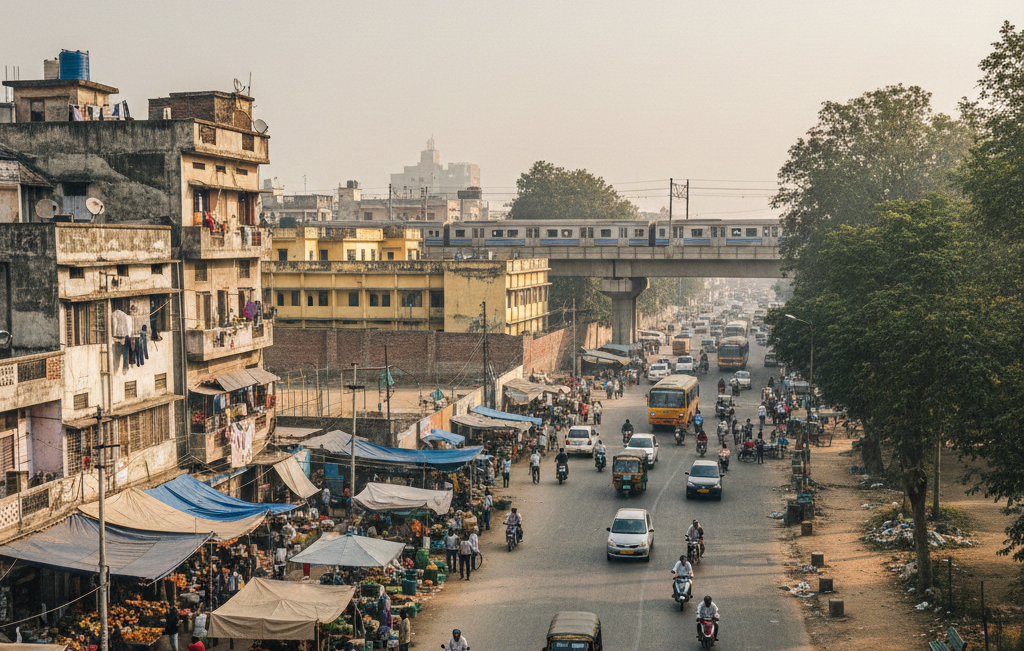
Social Determinants of Health : Why Health Begins Beyond Hospitals
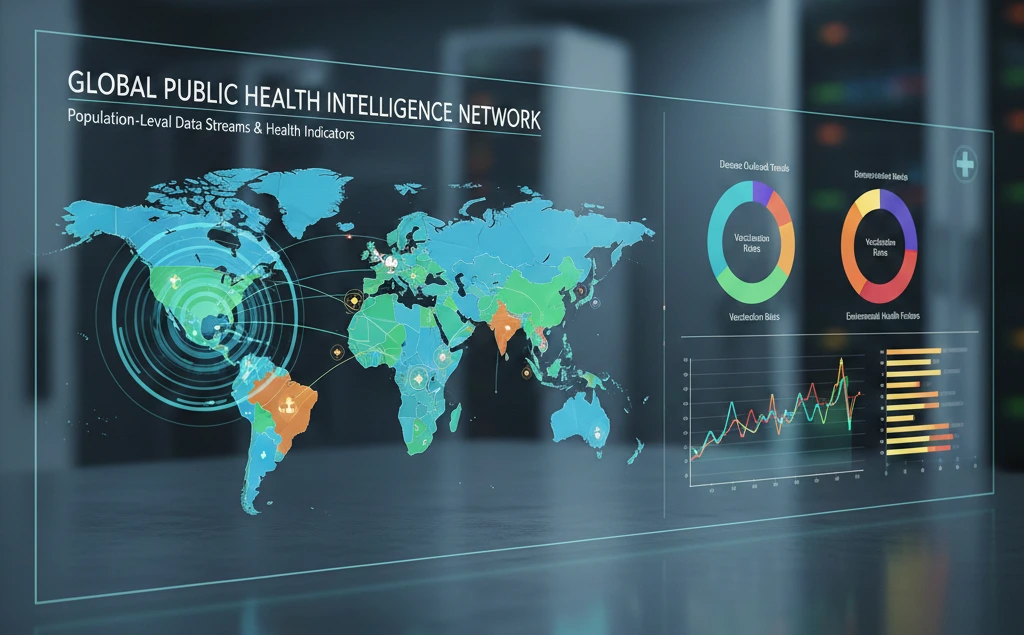
Public Health Surveillance : How Data Protects Populations
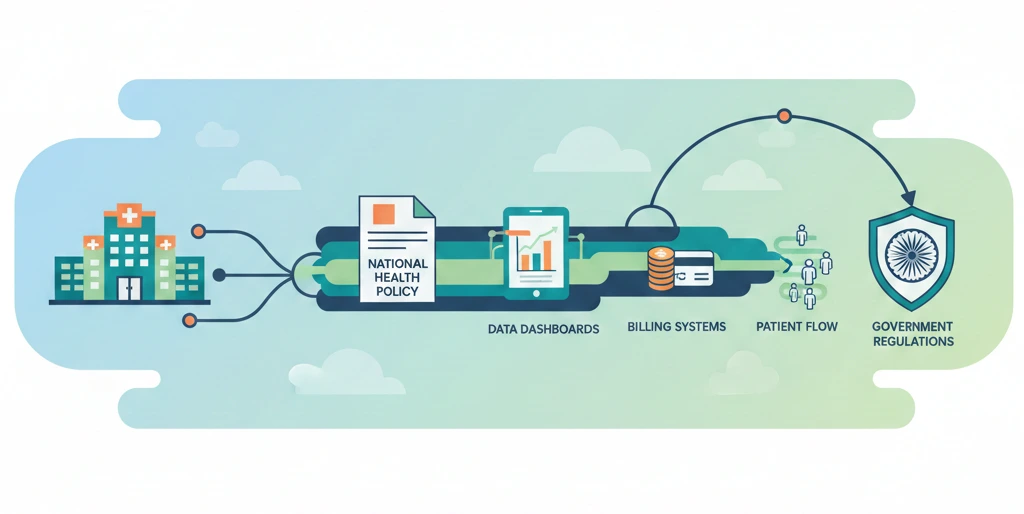
National Health Programs and Hospital Administration in India


Master of Hospital Administration (MHA)
The MHA program prepares students for managerial and leadership roles within hospitals, healthcare organizations, and clinical operations.
