
Efficient hospital supply chain management is essential for maintaining uninterrupted healthcare services. Hospitals depend on reliable procurement, inventory control, and logistics systems to ensure that medicines, equipment, and medical supplies are available when needed.
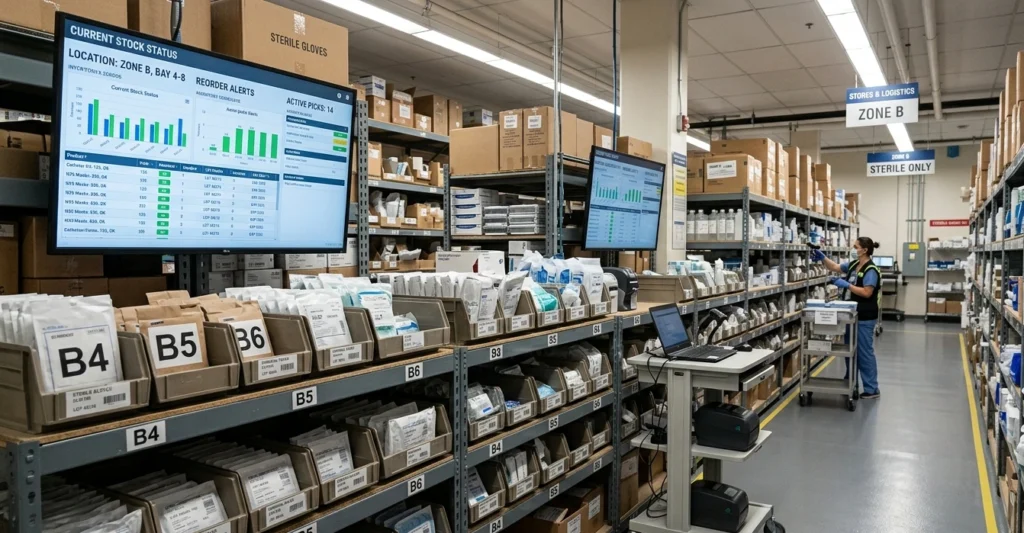
Hospitals function as complex operational systems where clinical care depends heavily on efficient administrative coordination. One of the most critical components of hospital operations is supply chain management. From surgical instruments and pharmaceuticals to diagnostic equipment and protective gear, hospitals require a continuous flow of essential supplies to deliver safe and effective care.
Supply chain disruptions can directly affect patient outcomes, delay procedures, and increase operational costs. For hospital administrators, managing procurement processes, inventory systems, vendor relationships, and logistics networks becomes a central responsibility.
Understanding Hospital Supply Chain Management
Hospital supply chain management involves the planning, procurement, storage, and distribution of medical resources required for healthcare delivery. These processes ensure that departments receive necessary supplies at the right time while minimizing wastage and excess inventory.
Efficient supply chain systems integrate procurement strategies with operational planning and inventory monitoring. These mechanisms support structured hospital operations management systems that coordinate multiple departments within healthcare institutions.
Procurement and Vendor Management
Procurement is the first stage of hospital supply chain management. Administrators must identify reliable vendors, negotiate pricing agreements, and ensure quality compliance for all purchased medical products.
Vendor relationships play a crucial role in maintaining supply reliability. Hospitals often work with multiple suppliers to reduce dependency risks and maintain consistent availability of critical medical items.
Strategic procurement also supports regulatory compliance and quality assurance within healthcare institutions.
Inventory Control and Resource Optimization
Inventory management ensures that hospitals maintain optimal stock levels without unnecessary overstocking. Advanced inventory systems help administrators track usage patterns, forecast demand, and prevent shortages.
Hospitals increasingly adopt digital monitoring systems to maintain transparency across supply chains. These digital tools integrate with broader digital health systems and hospital infrastructure, enabling real-time monitoring of inventory and logistics.
Role of Supply Chains in Patient Safety
Supply chain efficiency directly affects patient safety and service delivery. Delays in critical supplies such as medicines, surgical tools, or diagnostic equipment can disrupt clinical workflows.
Supply chain planning also supports broader hospital quality management and patient safety systems that ensure consistent care delivery across departments.
Effective coordination between clinical teams and administrative departments helps maintain operational stability.
Challenges in Hospital Supply Chain Systems
Healthcare supply chains face several challenges, including fluctuating demand, global supply disruptions, vendor reliability issues, and regulatory compliance requirements.
The COVID-19 pandemic demonstrated how vulnerable healthcare supply chains can become during crises. Hospitals must therefore adopt resilient procurement strategies, diversify supply sources, and implement digital monitoring systems to strengthen preparedness.
Academic Relevance for Future Hospital Leaders
Hospital supply chain management is a core operational competency for students pursuing the Master of Hospital Administration (MHA) program at RIHS, where healthcare operations, logistics management, and institutional governance form key components of professional training.
Future hospital administrators must understand procurement systems, resource allocation, and operational efficiency to ensure that healthcare institutions function effectively.
The Way Forward for Hospital Operations
As healthcare systems become increasingly complex, supply chain management will continue to evolve with technology-driven solutions. Automation, predictive analytics, and integrated digital platforms are transforming how hospitals manage procurement and inventory.
Hospitals that invest in efficient supply chain systems improve operational efficiency, reduce costs, and enhance patient care outcomes. Strong administrative leadership remains essential to ensuring that supply networks remain reliable, transparent, and resilient.
Institutions that train administrators with operational expertise will play a vital role in strengthening healthcare systems in the future.
