
Occupational Health: Protecting Health and Safety in the Workplace
Work plays an important role in people’s lives, but the workplace can also affect their health in many ways. Employees may face physical, chemical, biological, ergonomic, or psychological risks depending on the type of work they do.
Occupational health focuses on protecting and promoting the health of workers by identifying workplace hazards, preventing injuries and illnesses, and creating safer working conditions.
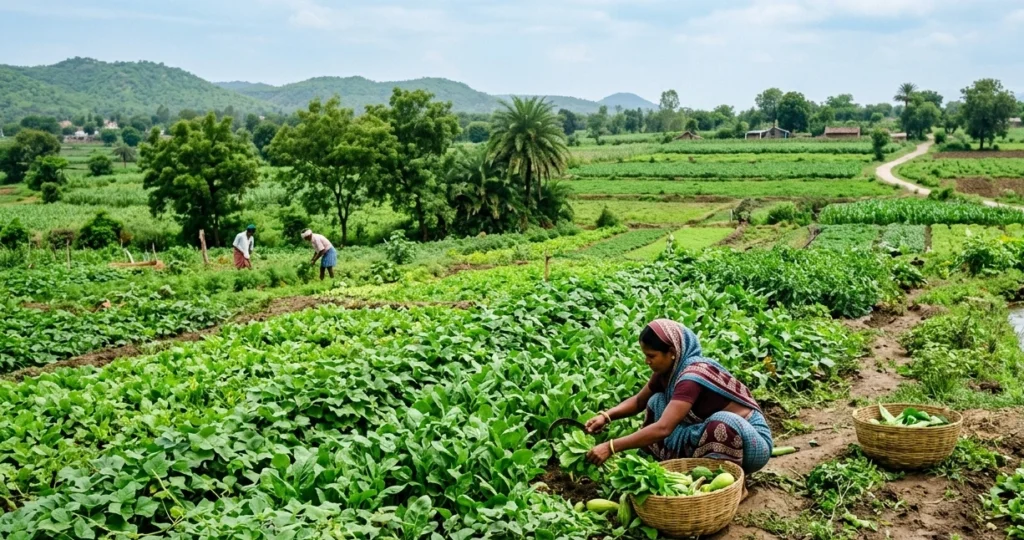
The subject goes beyond responding to accidents after they occur. A strong occupational health approach looks at potential risks before they cause harm. This can include improving workplace conditions, providing appropriate safety measures, monitoring health risks, and encouraging healthier ways of working.
From factories and construction sites to hospitals, offices, laboratories, and agricultural settings, every workplace has its own set of health concerns. The nature and level of risk may differ, but the basic objective remains the same: helping people work without unnecessarily putting their health and well-being at risk.
What Is Occupational Health?
Occupational health is concerned with the relationship between work and health. It examines how working conditions, workplace environments, job demands, and occupational exposures can influence the physical and mental well-being of workers.
A worker’s health can be affected by obvious hazards, such as unsafe machinery or harmful substances, but risks are not always immediately visible. Repetitive work, poor posture, excessive workload, prolonged stress, noise, inadequate ventilation, and exposure to infectious agents can also affect health over time.
This is why occupational health requires more than basic workplace safety rules. It involves identifying risks, understanding how they affect workers, and developing practical measures to prevent or reduce harm.
Why Occupational Health Matters
A healthy workforce is important not only for individual workers but also for families, workplaces, healthcare systems, and the wider economy.
When occupational hazards are not properly managed, workers may experience injuries, illness, reduced productivity, or long-term health problems. In some cases, occupational health issues can also place additional pressure on healthcare services and affect a person’s ability to continue working.
Prevention is therefore a central part of occupational health. Creating safer workplaces can help reduce avoidable injuries and illnesses while supporting the overall well-being of workers.
From a public health perspective, occupational health is closely connected to the broader goal of disease prevention. Many workplace-related health risks can be reduced through early identification, appropriate preventive measures, and safer working practices.
Occupational Health in the Indian Context
In India, occupational health is particularly important because the workforce is spread across a wide range of sectors, including manufacturing, construction, agriculture, mining, healthcare, transport and other services. The nature of workplace risks can vary significantly between these occupations.
Workers may face risks related to machinery, dust, chemicals, excessive heat, infectious diseases, repetitive physical work and unsafe working conditions. This makes occupational health relevant not only to traditionally high-risk industries but also to healthcare facilities, offices and other modern workplaces.
India’s Occupational Safety, Health and Working Conditions Code, 2020 provides a national legal framework related to occupational safety, health and working conditions. The Code includes provisions relating to employer responsibilities, occupational safety and health standards, reporting of certain accidents and dangerous occurrences, occupational diseases, safety committees and workers’ health and safety conditions.
Common Workplace Hazards
Workplace hazards can take many forms. Some are immediately visible, while others may affect workers gradually over months or years. Understanding these risks is an important first step in occupational health because prevention depends on recognizing what may cause harm.
Physical Hazards
Physical hazards are common in many workplaces. Excessive noise, extreme temperatures, radiation, vibration, poor lighting, and unsafe working environments can all affect workers.
For example, prolonged exposure to high levels of noise may affect hearing, while excessive heat can contribute to dehydration and heat-related illness. Workers in construction, manufacturing, mining, and other physically demanding environments may face multiple physical hazards at the same time.
Chemical Hazards
Workers may be exposed to chemicals through the air, skin contact, or accidental ingestion. Depending on the substance and level of exposure, chemicals can cause immediate irritation or contribute to longer-term health problems.
Industrial workers, laboratory staff, agricultural workers, and some healthcare professionals may encounter chemical risks as part of their work. Safe handling procedures, appropriate protective measures, and proper storage can help reduce unnecessary exposure.
Biological Hazards
Biological hazards include bacteria, viruses, fungi, and other biological agents that may cause disease.
Healthcare workers, laboratory professionals, sanitation workers, agricultural workers, and others who work closely with people, animals, or biological materials may face particular risks.
Appropriate infection prevention measures, safe working procedures, and workplace hygiene are therefore important components of occupational health in these settings.
Ergonomic Hazards
Not all workplace injuries result from accidents. The way people perform their daily work can also affect their health.
Poor posture, repetitive movements, prolonged sitting, frequent lifting, and poorly designed workstations can contribute to musculoskeletal problems. Office workers, healthcare professionals, factory workers, and many others may experience these risks.
Improving workplace design and encouraging safer working practices can help reduce the strain placed on the body.
Psychosocial Hazards
Work can also affect mental and emotional well-being. Excessive workload, long working hours, job insecurity, workplace conflict, harassment, and high levels of stress can contribute to psychological health concerns.
A healthy workplace should therefore consider both physical safety and mental well-being. Supporting workers through reasonable workloads, respectful workplace practices, and appropriate organizational support is an important part of a broader occupational health approach.
Workplace Risks Across Different Sectors in India
India’s diverse workforce means that occupational hazards are not the same for everyone. Construction and industrial workers may face risks from falls, machinery and hazardous materials, while agricultural workers may encounter physical strain and exposure to chemicals or environmental conditions.
Healthcare workers can face biological hazards and injuries associated with patient handling, while workers in offices and other service-based occupations may experience ergonomic problems linked to prolonged sitting and repetitive work.
This diversity makes a sector-specific approach important. Effective occupational health measures need to consider the actual conditions in which people work rather than applying the same solution to every workplace.
Why Workplace Hazards Need a Public Health Perspective
Workplace health is not separate from the wider environment in which people live. Air quality, sanitation, climate conditions, and other environmental factors can also influence the health and safety of workers.
This makes occupational health closely connected with environmental health, particularly in workplaces where employees may be exposed to pollution, extreme temperatures, unsafe water, or other environmental risks.
Occupational Diseases and Work-Related Health Problems
Not every workplace health problem appears immediately after an accident or exposure. Some conditions develop gradually, particularly when workers are exposed to the same hazard repeatedly over a long period.
Occupational diseases are health conditions linked to workplace exposures or the nature of a person’s work. Their development can depend on factors such as the type of hazard, duration of exposure, working conditions, and the effectiveness of preventive measures.
For example, prolonged exposure to loud noise can affect hearing, while repeated exposure to certain dusts or chemicals may contribute to respiratory or other health problems. Repetitive physical work can lead to musculoskeletal disorders, and biological exposures may increase the risk of infectious diseases in some occupations.
Work-Related Injuries
Workplace injuries can result from falls, unsafe equipment, machinery, manual handling, slips, or other unsafe conditions. In high-risk environments such as construction, manufacturing, and agriculture, physical injuries may occur when appropriate safety systems are not in place.
However, injuries are not limited to traditionally hazardous occupations. Healthcare workers may experience needlestick injuries, office workers can develop problems related to prolonged sitting, and workers across many sectors may experience injuries related to poor workplace design or unsafe practices.
This is why occupational health needs to consider the specific risks associated with different types of work rather than applying the same approach to every workplace.
The Importance of Early Identification
Early identification of workplace health risks can make prevention more effective. Regular workplace assessments, health monitoring where appropriate, and prompt reporting of hazards can help identify problems before they become more serious.
Workers also play an important role by reporting unsafe conditions and health concerns related to their work. At the organizational level, this information can help employers understand where preventive action is needed.
Occupational health therefore follows an important public health principle: preventing harm where possible is generally better than responding only after serious health problems develop.
Reporting and Monitoring Occupational Health Risks
Early reporting and monitoring are important parts of an effective occupational health system. Workplace accidents, dangerous occurrences and certain occupational diseases can provide important information about where preventive action may be needed.
The Indian occupational safety framework also recognises the importance of reporting and monitoring, with specific provisions relating to notices of certain accidents, dangerous occurrences and diseases, as well as occupational safety and health surveys.
Using this information effectively can help workplaces move from reacting to individual incidents towards identifying patterns of risk and strengthening prevention.
From Workplace Risk to Prevention
Understanding occupational diseases and work-related injuries helps organizations move beyond simply reacting to incidents. The next step is to identify practical measures that can reduce exposure to hazards and create safer working conditions.
Preventing Workplace Injuries and Illnesses
The main goal of occupational health is not simply to respond when someone is injured or becomes ill. A stronger approach focuses on preventing harm before it happens.
Effective prevention usually begins with identifying workplace hazards and understanding who may be exposed to them. Once risks are identified, workplaces can take practical steps to remove hazards where possible or reduce the level of exposure.
Identifying and Assessing Risks
Regular workplace assessments can help organizations identify unsafe conditions, hazardous materials, risky work practices, and other factors that may affect workers’ health.
The level of risk may vary from one workplace to another. A hospital, for example, may need to focus on infection risks and safe patient handling, while a construction site may place greater emphasis on falls, machinery, and physical safety.
Understanding these differences allows preventive measures to be more relevant to the actual working environment.
Creating Safer Working Conditions
Improving the workplace itself is often one of the most effective ways to protect workers. This may involve maintaining equipment, improving ventilation, reducing excessive noise, redesigning workstations, or introducing safer processes.
Personal protective equipment can also play an important role when workers cannot completely avoid exposure to a particular hazard. However, protective equipment works best as part of a wider safety system rather than as the only method of prevention.
Training and Safe Working Practices
Workers need clear information about the risks associated with their jobs and the steps they can take to protect themselves.
Training can help employees understand how to use equipment safely, handle hazardous materials, follow workplace procedures, and respond appropriately when a health or safety concern arises.
Regular training is particularly important when new equipment, processes, or workplace risks are introduced.
Reporting and Learning From Incidents
Accidents and near misses can provide important information about weaknesses in workplace safety systems. Encouraging workers to report hazards and incidents can help organizations identify problems that might otherwise remain unnoticed.
The aim should not only be to record what happened but also to understand why it happened and what can be changed to reduce the likelihood of a similar incident in the future.
Prevention Is a Shared Responsibility
Employers have an important responsibility to provide safer working conditions, but effective occupational health also depends on participation from workers, managers, health professionals, and safety teams.
A workplace culture that takes health and safety seriously makes it easier to identify concerns early and take preventive action.
The next part will look at the role of employers and occupational health services in protecting and supporting workers.
The Role of Employers and Occupational Health Services
Employers play a central role in protecting the health and safety of workers. Creating a safer workplace involves more than setting rules or responding after an accident. It requires regular attention to workplace conditions, potential hazards, and the health needs of employees.
Depending on the nature of the workplace, employers may need to assess risks, provide appropriate training and protective measures, maintain safe equipment, and establish clear procedures for reporting health and safety concerns.
Occupational health services can support this process by helping organizations identify workplace health risks and develop appropriate preventive measures. Their role may include health assessments, workplace monitoring, health education, and support for workers who may be affected by occupational exposures or work-related health problems.
Supporting Workers’ Physical and Mental Well-Being
A healthy workplace should consider both physical and mental well-being. Preventing injuries and exposure to hazardous substances is important, but workers may also need support in managing stress, workload, fatigue, and other factors that affect their health.
Workplace health promotion can encourage healthier practices and help create an environment where employee well-being is treated as an important part of organizational culture.
Building a Stronger Occupational Health System
Occupational health works best when it is integrated into wider health and safety systems rather than treated as a separate activity. Employers, workers, healthcare professionals, and public health specialists all have a role in identifying risks and supporting prevention.
From a broader perspective, workplace health is also part of the larger public health system. The knowledge, strategies, and resources used across different areas of public health can help professionals understand how health risks are prevented and managed across populations.
Employer Responsibility and Workplace Safety
Employers have a central role in maintaining conditions that protect workers’ health and safety. This includes identifying workplace risks, maintaining safer working conditions and supporting appropriate preventive measures.
India’s Occupational Safety, Health and Working Conditions Code, 2020 includes provisions relating to employer duties and responsibilities for maintaining health, safety and working conditions in establishments. It also provides for occupational safety and health standards and safety committees in relevant settings.
However, occupational health is most effective when safety is treated as an ongoing responsibility rather than simply a legal requirement.
Occupational Health as a Public Health Priority
Occupational health is often discussed in the context of workplace safety, but its impact extends well beyond individual workplaces. In a country with a large and diverse workforce such as India, the health and safety of workers can have wider implications for families, communities, healthcare services and economic productivity.
This is why occupational health is an important part of public health. The focus is not limited to treating workers after they become ill or injured. It also involves identifying risks, preventing avoidable harm and creating healthier working conditions across different sectors.
Occupational health also demonstrates an important public health principle: prevention needs to take place where people live and work. Safer workplaces can protect individual workers, while effective standards and preventive systems can reduce risks across industries and larger populations.
Occupational health also shows how prevention can work at multiple levels. A safer workplace can protect an individual worker, while effective policies and workplace standards can reduce health risks across entire industries and communities.
For public health professionals, understanding occupational health is therefore important when looking at the many factors that influence population health. Where people work, the conditions they work in, and the risks they face can all shape their health and well-being.
Occupational Health and the Future of Work
The nature of work continues to change. New technologies, changing work patterns, remote and hybrid work, and emerging industries are creating new opportunities as well as new health considerations.
For example, prolonged screen time and sedentary work may increase ergonomic concerns, while changing workloads and work arrangements can affect mental well-being. At the same time, traditional occupational hazards remain important in industries such as construction, manufacturing, healthcare, and agriculture.
As workplaces evolve, occupational health will need to continue adapting to new and changing risks while maintaining its central focus on prevention and worker well-being.
Building Healthier and Safer Workplaces
Creating a healthy workplace is an ongoing process rather than a one-time safety exercise. Risks can change as workplaces introduce new equipment, adopt different ways of working, or face changing environmental and organizational conditions.
A strong occupational health approach therefore depends on regularly reviewing workplace conditions and making improvements where needed.
Key Elements of a Healthier Workplace
Some of the most important elements include:
- identifying workplace hazards before they cause harm;
- reducing unnecessary exposure to physical, chemical, biological, ergonomic, and psychosocial risks;
- providing workers with appropriate training and information;
- maintaining safe equipment and working environments;
- encouraging the reporting of hazards and unsafe conditions;
- supporting both physical and mental well-being; and
- reviewing health and safety practices regularly.
The most effective approach is one in which health and safety become part of everyday workplace decisions rather than something considered only after an accident or illness occurs.
A Culture of Prevention
Workplace policies and safety procedures are important, but their effectiveness often depends on workplace culture. Workers need to feel comfortable raising concerns, reporting hazards, and participating in efforts to improve working conditions.
When health and safety are treated as shared priorities, organizations are better positioned to identify problems early and take meaningful action.
Prevention also requires a long-term perspective. Investing in safer workplaces can help reduce injuries and illnesses while supporting worker well-being and maintaining a healthier workforce.
Occupational Health Is Everyone’s Concern
Occupational health may involve employers, safety professionals, healthcare providers, and policymakers, but workers themselves are also an essential part of the process.
Understanding workplace risks and following safer practices can help individuals protect their own health while contributing to a safer environment for others.
Ultimately, the goal is straightforward: work should support people’s lives without unnecessarily putting their health at risk.
This makes occupational health an important part of building healthier workplaces and, more broadly, healthier populations.
Sources & References
- Government of India — Occupational Safety, Health and Working Conditions Code, 2020
- Ministry of Labour & Employment, Government of India — Labour Codes
- World Health Organization (WHO) — Occupational Health
- International Labour Organization (ILO) — Safety and Health at Work
