
Public health systems around the world are increasingly focused on disease prevention as healthcare challenges continue to evolve. Preventive strategies help reduce the spread of infectious diseases, lower the burden of chronic illnesses, and improve long-term population health outcomes. Governments and healthcare organizations are investing in prevention-based approaches to strengthen healthcare systems and build healthier communities.
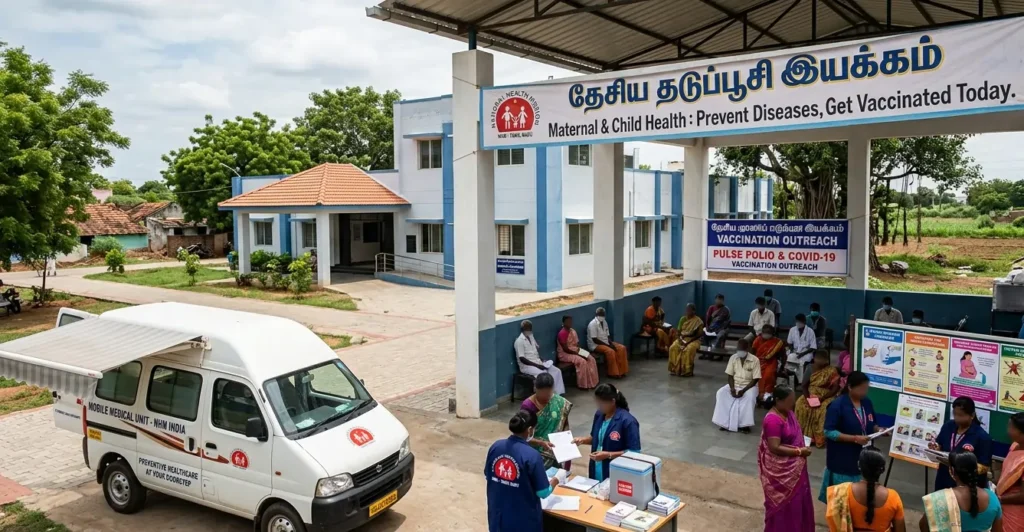
Disease Prevention Strategies in Public Health: Building Healthier and More Resilient Communities
Public health systems are designed not only to treat illnesses but also to prevent diseases before they spread across populations. Disease prevention strategies play a central role in reducing healthcare burdens, improving quality of life, and strengthening healthcare systems at local, national, and global levels.
Preventive healthcare focuses on identifying health risks early, promoting healthy behaviors, and implementing interventions that reduce the likelihood of disease outbreaks. These approaches are essential in managing both communicable and non-communicable diseases.
As healthcare systems continue to face challenges such as rising chronic illnesses, emerging infections, and growing population demands, prevention-based public health strategies have become increasingly important.
Understanding Disease Prevention in Public Health
Disease prevention refers to organized efforts aimed at reducing the occurrence and impact of diseases within populations. Public health systems use preventive measures to protect communities, improve healthcare accessibility, and minimize long-term healthcare costs.
These strategies operate within broader public health governance and population health systems, where policy planning, surveillance, and healthcare delivery are closely interconnected.
Disease prevention strengthens healthcare systems by reducing pressure on hospitals and improving overall population health outcomes.
Role of Preventive Healthcare Systems
Preventive healthcare systems focus on minimizing health risks through early intervention and health promotion. Vaccination programs, health screenings, awareness campaigns, and lifestyle interventions are some of the most common preventive strategies used in public health.
These initiatives help identify diseases at early stages and reduce the spread of infections across communities. Preventive measures are also closely linked with community health programs, which bring healthcare awareness and services directly to populations.
Community-based prevention programs improve healthcare access and support healthier lifestyles.
Public Health Surveillance and Disease Control
Disease prevention relies heavily on surveillance systems that monitor health trends and identify emerging risks. Public health surveillance helps authorities track disease outbreaks, analyze health patterns, and respond effectively to healthcare emergencies.
Surveillance systems provide data that supports strategic planning and resource allocation. These processes are part of broader public health surveillance frameworks, which strengthen disease control and emergency preparedness.
Accurate surveillance enables faster responses to public health threats and improves healthcare system resilience.
Importance of Health Education and Awareness
Health education is one of the most effective tools in disease prevention. Public awareness campaigns help individuals understand risk factors, preventive behaviors, and the importance of healthy lifestyles.
Educational programs encourage practices such as proper hygiene, vaccination, balanced nutrition, and regular health checkups. These initiatives also help address misinformation and improve public participation in healthcare programs.
Disease prevention efforts are closely influenced by social determinants of health, including education, income levels, and access to healthcare services.
Improving awareness at the community level contributes significantly to long-term public health outcomes.
Challenges in Disease Prevention Strategies
Despite advancements in healthcare systems, disease prevention continues to face several challenges. Limited healthcare infrastructure, unequal access to services, misinformation, and resource constraints can affect the effectiveness of prevention programs.
Global health emergencies such as the COVID-19 pandemic also highlighted the need for stronger prevention systems and better healthcare preparedness. Public health institutions must continuously adapt strategies to address changing disease patterns and emerging healthcare risks.
Academic Relevance for Public Health Professionals
Disease prevention strategies are a key component of the Master of Public Health (MPH) program at RIHS, where students learn about population health management, preventive healthcare systems, and public health policy planning.
Understanding prevention-based healthcare approaches enables future public health professionals to design effective interventions and improve community health outcomes.
The Future of Disease Prevention in Public Health
The future of disease prevention is increasingly driven by digital health technologies, predictive analytics, and data-driven healthcare planning. Public health systems are adopting advanced tools to identify risks earlier and improve healthcare response strategies.
As healthcare systems evolve, prevention-based approaches will remain essential for reducing healthcare burdens and improving population well-being. Institutions that train professionals in preventive healthcare and public health management will continue to play an important role in strengthening healthcare systems globally.
