
Environmental Health and Public Health: How Our Environment Shapes Population Health
The environment in which people live, work, travel, and access essential services can have a profound influence on their health. The quality of the air people breathe, the water they drink, the food they consume, the sanitation available to them, and the conditions of their homes and workplaces can all shape health outcomes at an individual and population level.
This is why environmental health is an important part of public health. It looks beyond individual medical care to understand how physical, chemical, biological, and social conditions in the surrounding environment can contribute to disease, injury, or better health. For public health professionals, understanding these connections is essential for preventing illness before people require treatment.
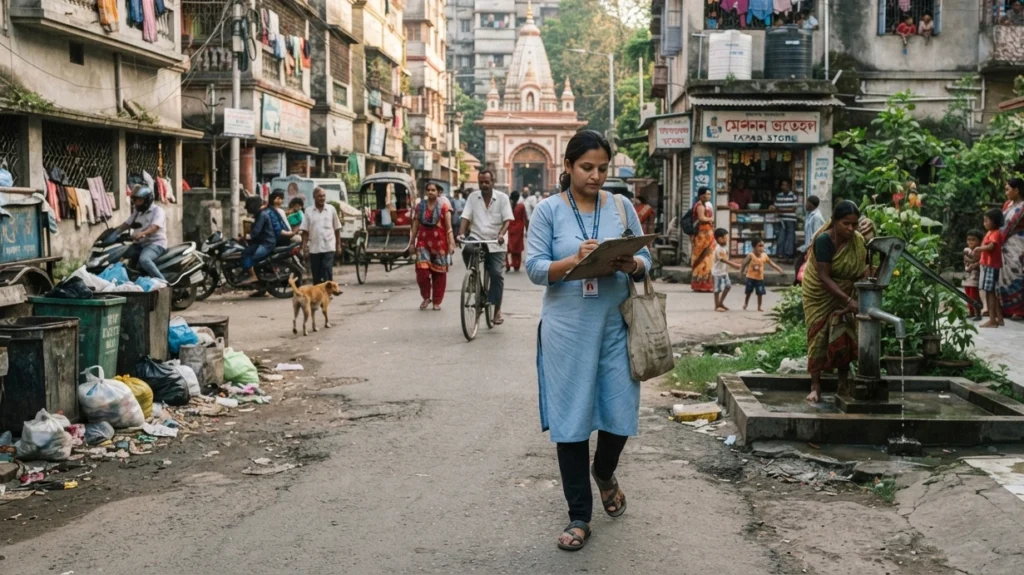
Environmental health has become increasingly important as populations face multiple and interconnected challenges. Air pollution continues to affect respiratory and cardiovascular health, unsafe water and inadequate sanitation can increase the risk of infectious diseases, while changing temperatures and extreme weather events can create additional health risks. Rapid urbanization, industrial activity, waste generation, and changes in land use can further alter the environments in which communities live.
These challenges also do not affect every population equally. Communities with limited access to safe housing, clean water, sanitation, healthcare, or other essential services may face a greater burden of environmental risks. Understanding these differences is therefore an important part of improving Public Health and reducing preventable health inequalities.
The relationship between environment and health can also be seen through disease prevention. Reducing exposure to environmental hazards, improving sanitation, ensuring safe drinking water, and promoting healthier living conditions can prevent illness at its source rather than relying only on treatment after disease occurs.
Environmental health therefore involves more than environmental protection alone. It requires collaboration between public health professionals, healthcare systems, environmental authorities, policymakers, urban planners, researchers, communities, and other sectors. The goal is to create conditions that allow people to live healthier lives while reducing avoidable exposure to environmental hazards.
For students pursuing a Master of Public Health (MPH), environmental health provides an important foundation for understanding how environmental conditions influence population health and how evidence-based interventions can address these risks.
Public Health Insight
A healthier environment can be one of the most effective forms of disease prevention. When communities have access to clean air, safe water, adequate sanitation, healthy living conditions, and protection from environmental hazards, public health interventions can address risks before they develop into serious health problems.
What Is Environmental Health?
Environmental health is a branch of public health concerned with the ways environmental factors influence human health and well-being. It examines conditions and exposures in the places where people live, work, study, and spend their daily lives, with the aim of identifying health risks and developing measures to prevent or reduce them.
These environmental factors can be physical, chemical, biological, or related to the built environment. Air pollution, contaminated water, hazardous chemicals, inadequate sanitation, unsafe waste disposal, excessive heat, and unhealthy housing conditions are examples of environmental factors that can affect population health.
The field also focuses on identifying who is exposed, understanding the potential health consequences, assessing the level of risk, and developing interventions that protect communities.
Environmental health is closely connected with epidemiology, because epidemiological methods can help researchers investigate relationships between environmental exposures and health outcomes. For example, researchers may study whether populations exposed to higher levels of air pollution experience greater rates of respiratory illness.
This makes environmental health an important multidisciplinary area within public health. Its focus is not simply on identifying environmental problems but on understanding their health consequences and developing practical strategies to reduce those risks.
As environmental conditions continue to change through urbanization, climate change, industrial development, and population growth, environmental health will remain an essential area of public health practice and research.
Major Environmental Factors That Affect Public Health
The environment is made up of many interconnected factors that influence human health. Some exposures are immediately visible, while others may remain unnoticed until they contribute to illness over time. Public health professionals therefore examine environmental conditions across homes, communities, workplaces, and wider ecosystems to identify preventable risks.
Understanding these factors is important because environmental health risks rarely occur in isolation. Poor sanitation may contribute to contaminated water, urban air pollution may combine with heat exposure, and inadequate housing can increase vulnerability to infectious diseases and extreme weather. Addressing these risks requires a coordinated public health approach.
Air Quality and Air Pollution
Clean air is essential for healthy living, but exposure to pollutants can affect both short-term and long-term health. Outdoor air pollution can originate from traffic, industrial activity, construction, energy production, waste burning, and other sources. Indoor air quality can also be affected by cooking fuels, tobacco smoke, inadequate ventilation, and household pollutants.
Repeated exposure to polluted air can contribute to respiratory problems and can also increase the risk of cardiovascular and other chronic health conditions. Children, older adults, people with existing illnesses, and communities living close to major pollution sources may be particularly vulnerable.
For public health professionals, monitoring air quality and understanding patterns of exposure are important components of environmental disease prevention.
Water Quality and Safe Drinking Water
Safe water is fundamental to population health. When drinking water becomes contaminated with microorganisms or harmful chemicals, communities can face significant health risks.
Waterborne infections can spread when sanitation systems are inadequate or when drinking-water sources become contaminated. Chemical contaminants can also create longer-term health concerns depending on the type and level of exposure.
Public health measures therefore include monitoring water quality, protecting water sources, improving treatment systems, and ensuring communities have reliable access to safe drinking water.
Sanitation and Hygiene
Sanitation plays a central role in preventing the spread of infectious diseases. Proper disposal of human waste, functioning sanitation facilities, hand hygiene, and clean surroundings help reduce opportunities for pathogens to circulate within communities.
Inadequate sanitation can become particularly challenging where infrastructure is limited or where population growth places pressure on existing services. Improving sanitation therefore requires not only individual awareness but also reliable infrastructure and coordinated public health planning.
Waste Management
Rapid urbanization and population growth have increased the amount of solid and other forms of waste generated by communities. If waste is not collected, transported, treated, and disposed of safely, it can create environmental and health risks.
Poor waste management can contribute to pollution, attract disease vectors, contaminate water and soil, and expose workers and communities to hazardous materials.
Effective waste management is therefore an important environmental health intervention. It involves appropriate segregation, collection, treatment, recycling where suitable, and safe disposal.
Food and Chemical Safety
Environmental health also includes protection from hazards associated with food and chemical exposure. Contaminated food can transmit infectious organisms or harmful substances, while inappropriate exposure to pesticides, industrial chemicals, and other hazardous substances can affect human health.
Public health authorities use monitoring, regulation, risk assessment, and community education to reduce these exposures.
Food safety is particularly important because contamination can affect large numbers of people through a common food source. Preventive measures across production, processing, storage, transportation, and preparation can reduce these risks.
Climate and Extreme Weather
Changes in temperature and weather patterns can create direct and indirect health risks. Extreme heat can place additional stress on the body, while floods, storms, droughts, and other events can disrupt healthcare services, damage infrastructure, affect food and water security, and increase exposure to infectious diseases.
Climate-related risks can also interact with existing social and environmental inequalities. Communities with fewer resources to prepare for or recover from extreme events may experience greater health consequences.
This makes climate resilience an increasingly important component of environmental health and public health planning.
Built Environment and Urbanization
The places where people live and work also influence health. Housing quality, transportation, green spaces, road safety, access to healthcare, and the design of communities can affect physical activity, exposure to pollution, injury risk, and overall well-being.
Rapid urbanization can place pressure on housing, sanitation, water systems, waste management, and healthcare infrastructure. Poorly planned urban growth may therefore create environmental conditions that increase health risks.
A healthier built environment can instead support physical activity, safer mobility, cleaner surroundings, social connection, and better access to essential services.
Public Health Insight
Environmental health is not limited to pollution. Air, water, sanitation, waste, food safety, climate, housing, and urban design interact with one another to shape population health. Effective public health action therefore requires looking at the whole environment rather than addressing individual hazards in isolation.
How Environmental Risks Affect Population Health
Environmental exposures can influence health in different ways depending on the type of hazard, the intensity and duration of exposure, and the characteristics of the population affected. Some environmental risks may cause immediate illness, while others contribute to health problems gradually over many years.
The health impact of environmental conditions is therefore not limited to one category of disease. Environmental exposures can affect infectious disease transmission, respiratory and cardiovascular health, maternal and child health, mental well-being, and the risk of injuries and other chronic conditions.
Infectious Diseases
Unsafe water, inadequate sanitation, poor waste management, and certain climate conditions can create environments in which infectious diseases spread more easily.
Contaminated water can contribute to waterborne infections, while inadequate sanitation can increase exposure to disease-causing organisms. Environmental conditions can also influence the distribution and breeding patterns of disease vectors such as mosquitoes.
This is why environmental interventions are an important part of disease prevention strategies. Reducing exposure to environmental hazards can help prevent illness before it places additional pressure on healthcare systems.
Respiratory Diseases
Air quality is closely connected with respiratory health. Exposure to particulate matter, smoke, chemical pollutants, and other airborne contaminants can irritate the respiratory system and contribute to respiratory illness.
People who already have conditions such as asthma or chronic respiratory disease may be particularly vulnerable to poor air quality. Children and older adults can also face increased risks.
Reducing exposure requires action at both individual and population levels, including pollution monitoring, cleaner energy and transport options, improved ventilation, and effective environmental regulations.
Cardiovascular Health
Environmental exposures can also affect cardiovascular health. Long-term exposure to air pollution, for example, has been associated with increased cardiovascular risks.
This demonstrates why environmental health cannot be treated separately from broader public health. Environmental conditions can influence several body systems simultaneously, making prevention and risk reduction important components of population health planning.
Cancer and Toxic Exposures
Certain environmental and occupational exposures may increase the risk of cancer or other chronic health conditions. These can include exposure to hazardous chemicals, pollutants, radiation, and contaminated materials, depending on the nature and level of exposure.
Public health professionals use environmental monitoring, risk assessment, regulation, and workplace protections to reduce unnecessary exposure.
Identifying hazards early is particularly important because some harmful exposures may take years before their health effects become apparent.
Maternal and Child Health
Children can be especially sensitive to environmental conditions because their bodies are still developing. Environmental exposures during pregnancy and childhood may therefore have important implications for health and development.
Safe drinking water, clean air, adequate sanitation, healthy housing, and protection from hazardous chemicals are important components of a healthy environment for mothers and children.
Environmental health interventions can consequently contribute to broader efforts to improve maternal and child health outcomes.
Mental Health and Well-Being
The environment can influence mental well-being as well as physical health. Poor housing, overcrowded communities, environmental noise, lack of safe green spaces, extreme weather events, and displacement can contribute to psychological stress.
On the other hand, access to safe and supportive environments, green spaces, and healthy community infrastructure can contribute positively to overall well-being.
This broader perspective reinforces the idea that public health is concerned not only with preventing physical disease but also with creating conditions that support healthy lives.
Heat and Extreme Weather
Rising temperatures and extreme weather events can create direct health risks. Heat exposure can place additional stress on the body, particularly among older adults, young children, outdoor workers, and people with certain existing health vulnerabilities.
Floods, storms, droughts, and other environmental emergencies can also interrupt healthcare services, damage essential infrastructure, displace communities, and affect food and water availability.
Effective public health planning therefore needs to consider environmental risks before, during, and after such events.
Environmental Risks and Vulnerable Populations
Environmental hazards rarely affect every population equally. People living in areas with inadequate infrastructure or limited access to healthcare may have fewer resources to protect themselves from environmental exposures.
Rural communities may face challenges related to water access, sanitation, healthcare availability, or agricultural exposures, while densely populated urban communities may experience greater exposure to traffic pollution, heat, waste, and overcrowding.
Understanding these differences is essential for developing equitable public health interventions.
Public Health Insight
Environmental health risks often overlap. A community experiencing poor housing, unsafe water, inadequate sanitation, air pollution, and limited healthcare access may face several interconnected health risks at the same time. Effective public health action must therefore address the underlying environmental conditions rather than focusing only on individual diseases.
Environmental Health and Health Inequalities
Environmental conditions do not affect everyone in the same way. The level of exposure, the ability to avoid environmental hazards, access to essential services, and the resources available to respond to health risks can vary considerably between communities.
This makes environmental health closely connected with health equity. A population may face greater environmental risks not simply because of its geographic location, but because of differences in housing, income, infrastructure, occupation, access to healthcare, and the ability to participate in decisions affecting the local environment.
Why Environmental Risks Are Unequally Distributed
Environmental hazards can become concentrated in communities that have limited infrastructure or fewer resources to protect themselves. Poor housing, inadequate sanitation, unsafe water, limited waste-management services, and exposure to pollution can overlap and create multiple health risks.
For example, a community without reliable access to safe drinking water may face greater exposure to waterborne infections. If that community also has limited healthcare access, preventable illnesses may have more serious consequences.
The same principle applies to air pollution and urban environmental risks. People living close to major roads, industrial areas, or poorly managed waste sites may experience greater exposure than populations living in areas with better environmental infrastructure.
Rural and Urban Environmental Challenges
Environmental health challenges can differ substantially between rural and urban settings.
Rural communities may experience challenges related to drinking water, sanitation, agricultural exposures, healthcare access, and environmental infrastructure. These risks can be particularly important when communities are geographically isolated or have limited access to public services.
Urban populations, meanwhile, may face a different combination of environmental pressures, including traffic-related air pollution, overcrowding, inadequate housing, noise, heat, waste accumulation, and limited access to green spaces.
Rapid urbanization can place additional pressure on water supply, sanitation, transportation, waste management, and healthcare infrastructure. Without effective planning, these pressures can create environmental conditions that disproportionately affect lower-income communities.
Children and Other Vulnerable Groups
Some groups are more sensitive to environmental exposures or may have fewer resources to protect themselves.
Children are particularly important because their bodies are still developing, while older adults and people living with existing health conditions may also be more vulnerable to heat, air pollution, and other environmental hazards.
Outdoor workers may face additional exposure to heat, air pollution, chemicals, and other occupational hazards. Communities affected by poverty may also have fewer opportunities to move away from hazardous environments or access protective resources.
These differences demonstrate why environmental health interventions should consider who is exposed, where exposure occurs, and what resources people have to respond.
Environmental Health and Social Determinants
Environmental conditions are closely linked to broader social determinants of health. Housing, education, employment, income, infrastructure, transportation, and access to healthcare can all influence how environmental risks translate into health outcomes.
For example, two communities may experience similar levels of extreme heat, but the health impact may differ if one has access to reliable electricity, cooling, healthcare, shaded public spaces, and emergency services while the other does not.
This means environmental health interventions cannot rely solely on individual behaviour. Structural improvements and community-level action are often necessary to reduce unequal exposure and improve health outcomes.
The Role of Public Health Action
Public health professionals can help identify populations experiencing disproportionate environmental risks through surveillance, community assessments, research, and risk analysis. This evidence can then inform interventions and policies designed to reduce exposure.
Effective action may include improving water and sanitation infrastructure, strengthening pollution monitoring, improving housing conditions, expanding community awareness, and ensuring that vulnerable populations are considered during environmental and health planning.
Environmental health also requires collaboration across sectors because many of its determinants fall outside the healthcare system itself. Public health departments, environmental authorities, local governments, urban planners, community organizations, and other stakeholders may all have roles in reducing environmental risks.
Public Health Insight
Environmental health equity means more than providing the same intervention to everyone. It requires identifying populations facing greater exposure or vulnerability and directing resources and interventions toward the conditions that create unequal health risks.
Environmental Health in India
India’s environmental health challenges are closely connected with population growth, urbanization, industrial development, changing lifestyles, and differences in infrastructure between communities. The scale and diversity of the country mean that environmental health risks can vary considerably between states, cities, rural areas, and different socioeconomic groups.
For public health professionals, addressing these risks requires more than responding to individual diseases. It involves improving environmental conditions, strengthening monitoring systems, supporting community-level interventions, and coordinating action across health, environment, water, sanitation, urban development, and other sectors.
Air Pollution and Population Health
Air pollution remains an important environmental health concern in India. Urban traffic, industrial activity, construction, household fuel use, waste burning, and other sources can contribute to poor air quality.
Exposure to polluted air can affect respiratory and cardiovascular health, with the potential for greater impacts among children, older adults, people with existing health conditions, and communities experiencing sustained exposure.
From a public health perspective, reducing exposure requires a combination of air-quality monitoring, pollution control, cleaner energy and transport, improved urban planning, and public awareness.
Safe Water and Sanitation
Access to safe drinking water and adequate sanitation is fundamental to preventing environmental health risks.
India has made substantial progress in expanding sanitation and water infrastructure, but differences in access and service quality can remain across locations and communities. Water contamination, inadequate sanitation, and poor hygiene conditions can contribute to infectious disease risks.
Public health efforts therefore need to consider not only whether infrastructure exists but also whether services are reliable, safe, and accessible to the populations that depend on them.
Waste Management
Growing populations and urban development generate increasing quantities of municipal, biomedical, industrial, and other forms of waste.
Poorly managed waste can contribute to soil, water, and air pollution while creating conditions that may increase exposure to hazardous materials and disease vectors. Waste workers can also face occupational risks when appropriate protective measures are not available.
Effective waste management therefore requires proper segregation, collection, treatment, recycling where appropriate, and safe disposal, supported by public participation and effective local systems.
Climate-Related Health Risks
India’s diverse geography exposes different populations to a range of climate-related hazards, including extreme heat, floods, droughts, cyclones, and changing patterns of infectious disease.
Extreme heat can particularly affect outdoor workers, older adults, children, and people living in areas with limited access to cooling and healthcare. Flooding and other disasters can disrupt water supplies, sanitation, healthcare services, food systems, and essential infrastructure.
This makes climate resilience an increasingly important component of environmental health planning.
Environmental Health in Rural Communities
Environmental health challenges can take different forms in rural areas. Access to safe water, sanitation, healthcare infrastructure, waste management, and protection from agricultural or occupational exposures can influence community health.
Geographic isolation can also make it more difficult for some communities to access health services or environmental monitoring.
Understanding these local conditions is important when designing interventions that are practical and equitable rather than applying the same approach to every community.
Urbanization and the Built Environment
Rapid urban growth can place pressure on housing, transportation, water supply, sanitation, waste management, and healthcare infrastructure.
Poorly planned development may increase exposure to air pollution, heat, overcrowding, noise, and inadequate living conditions. At the same time, well-designed urban environments can promote physical activity, improve mobility, increase access to green spaces, and support healthier communities.
Urban planning should therefore be viewed as an important contributor to population health rather than solely as an infrastructure issue.
Public Health and Environmental Governance
Environmental health challenges often extend beyond the responsibilities of the healthcare sector. Effective action may require coordination among health authorities, environmental agencies, local governments, urban planners, water and sanitation services, educational institutions, researchers, and communities.
Data collection and environmental monitoring are important for identifying risks and evaluating whether interventions are working. Biostatistics in public health can also support the analysis and interpretation of environmental health data, helping researchers identify patterns and assess population-level risks.
Public Health Insight
India’s environmental health priorities are diverse because environmental exposures differ across regions and populations. Effective solutions therefore need to combine infrastructure, regulation, surveillance, community participation, and evidence-based public health planning rather than relying on a single intervention.
The Role of Public Health Professionals in Environmental Health
Environmental health challenges cannot be addressed through healthcare services alone. Many of the factors that influence environmental exposure-such as water quality, sanitation, air pollution, waste management, housing, climate, and workplace conditions-require action before people become ill.
Public health professionals play an important role in identifying these risks, understanding their impact on communities, and supporting interventions that reduce exposure. Their work often connects scientific evidence with community needs and public policy.
Environmental Health Surveillance
Surveillance helps public health professionals monitor environmental conditions and identify changes that may affect population health.
This can include monitoring air and water quality, disease patterns, environmental exposures, occupational risks, and the health effects of extreme weather events.
Reliable data allow professionals to identify emerging problems and determine which communities may require additional attention.
This work also connects environmental health with public health surveillance, where health information is continuously collected and analyzed to identify population-level trends.
Environmental Risk Assessment
Risk assessment helps determine how environmental hazards may affect human health. Public health professionals consider factors such as the type of hazard, level of exposure, duration of exposure, and characteristics of the population involved.
For example, assessing an environmental exposure may involve examining whether a particular pollutant is present, determining who is exposed, and evaluating the potential health consequences.
Statistical analysis and research evidence are important in this process because environmental risks need to be evaluated systematically rather than through assumptions.
Community Education and Health Promotion
Communities are often the first to experience environmental health problems. Public health professionals can help people understand environmental risks and practical ways of reducing exposure.
Community education may address topics such as:
- Safe drinking water
- Sanitation and hygiene
- Waste segregation and disposal
- Air pollution exposure
- Heat protection
- Food safety
- Chemical safety
- Disaster preparedness
However, effective communication should reflect local conditions. Recommendations that are practical in one community may not be realistic in another, particularly where infrastructure or resources are limited.
Supporting Evidence-Based Policy
Environmental health often requires policy-level action because individuals cannot always control the environments in which they live or work.
Public health professionals contribute evidence that can help policymakers understand population risks and evaluate possible interventions. Research, surveillance data, environmental monitoring, and health indicators can all support this process.
Strong health policy and public health governance can help coordinate environmental interventions across sectors and ensure that population health is considered when environmental decisions are made.
Working Across Sectors
Environmental health is inherently multidisciplinary. A public health department may identify a health risk, but addressing its underlying cause may require action from another sector.
For example, improving drinking-water safety may involve public health authorities, water agencies, local governments, engineers, laboratories, and community organizations. Similarly, reducing urban air pollution may require cooperation between health authorities, transport planners, environmental agencies, industries, and local governments.
This intersectoral approach is essential because environmental determinants of health extend well beyond the healthcare system.
Community Participation
People affected by environmental risks should have opportunities to participate in decisions that influence their health.
Community participation can help identify local environmental problems, improve understanding of community priorities, and make interventions more practical and sustainable.
Community-based approaches are particularly valuable where environmental challenges are closely connected with local infrastructure, livelihoods, cultural practices, or access to services.
Environmental Health and Disease Prevention
One of the most important contributions of environmental health is prevention. Instead of waiting for disease to occur, public health professionals can identify environmental conditions that increase risk and intervene earlier.
Improving sanitation, reducing pollution exposure, ensuring safe water, strengthening food safety, improving housing, and preparing communities for extreme weather can all contribute to disease prevention.
This preventive approach aligns environmental health with the broader objective of reducing avoidable illness and improving population health.
Public Health Insight
Environmental health professionals work at the intersection of science, communities, policy, and prevention. Their role is not simply to identify environmental hazards but to translate evidence into practical interventions that reduce exposure and protect population health.
Climate Change and the Future of Environmental Health
Environmental health is becoming increasingly important as climate change alters the conditions in which people live and work. Changes in temperature, rainfall, extreme weather, and ecosystems can influence exposure to environmental hazards and create new challenges for public health systems.
Climate change does not affect health through a single pathway. Extreme heat can directly affect human health, while floods and droughts can disrupt water and sanitation systems. Changes in temperature and rainfall can also influence the distribution of some infectious diseases, while food production and nutrition may be affected by changing environmental conditions.
Extreme Heat and Population Health
Heat exposure is an important environmental health concern, particularly for older adults, young children, outdoor workers, and people living with certain health conditions.
Public health responses can include heat-health warning systems, community awareness, access to cooling and hydration, workplace protections, and urban planning that reduces heat exposure.
These measures become particularly important in densely populated areas where the built environment can contribute to higher temperatures.
Climate, Water and Food Security
Climate-related changes can affect the availability and quality of water and food. Flooding can contaminate water sources and damage sanitation infrastructure, while drought can place pressure on water supplies and agricultural production.
Disruptions to food systems can also affect nutrition and household livelihoods. Public health planning therefore needs to consider environmental conditions alongside food, water, and health-system resilience.
Climate and Infectious Diseases
Environmental conditions influence the habitats and distribution of disease vectors. Changes in temperature, rainfall, and ecosystems can therefore alter patterns of some vector-borne diseases.
Public health surveillance becomes especially important when environmental conditions change, allowing authorities to identify unusual disease patterns and respond to emerging risks.
Building Climate-Resilient Health Systems
Health systems themselves can be affected by extreme weather. Floods, storms, heatwaves, and other events can damage healthcare facilities, interrupt supply chains, disrupt electricity and water services, and make it more difficult for communities to access care.
Climate-resilient health systems require preparedness before emergencies occur. This can include stronger infrastructure, emergency planning, reliable supply systems, trained health workers, and coordination between health and environmental authorities.
What Can Be Done to Improve Environmental Health?
Improving environmental health requires action at individual, community, institutional, and policy levels. No single intervention can address all environmental risks because the determinants of health are interconnected.
Improve Access to Safe Water and Sanitation
Reliable water and sanitation infrastructure can reduce exposure to infectious hazards and support healthier communities.
Reduce Air Pollution
Cleaner energy, better public transportation, effective pollution controls, improved waste practices, and healthier urban planning can contribute to improved air quality.
Strengthen Waste Management
Proper waste segregation, collection, treatment, recycling where appropriate, and safe disposal can reduce environmental contamination and exposure to hazardous materials.
Promote Healthier Communities
Urban planning can incorporate green spaces, safe walking and cycling routes, adequate housing, reliable public services, and infrastructure that protects communities from environmental hazards.
Strengthen Environmental Surveillance
Continuous monitoring of environmental conditions and related health outcomes can help identify emerging risks and guide timely public health action.
Build Community Participation
Communities should be involved in identifying environmental problems and developing practical solutions. Local participation can improve the relevance, acceptance, and sustainability of public health interventions.
Community-based approaches are particularly important when environmental conditions are closely connected with local infrastructure and everyday living conditions.
Support Evidence-Based Environmental Policy
Environmental policies should be informed by reliable scientific evidence and population-level health data. Public health professionals can contribute research, surveillance findings, risk assessments, and health-impact evidence to policy development.
This requires coordination between health authorities, environmental agencies, local governments, researchers, and communities.
Building Healthier Communities Through Environmental Action
Environmental health demonstrates an important principle of public health: health is shaped not only by healthcare services but also by the conditions in which people live, work, and grow.
Clean air, safe water, adequate sanitation, responsible waste management, healthy housing, safer workplaces, resilient infrastructure, and protection from environmental hazards can prevent disease and improve quality of life across populations.
For public health professionals, the challenge is to identify environmental risks early, understand who is most vulnerable, and translate evidence into interventions that communities can realistically adopt. As environmental and climate-related pressures continue to evolve, this role will become increasingly important.
For students preparing for careers in public health, environmental health therefore represents more than another academic subject. It provides a framework for understanding how environmental conditions, social inequalities, disease prevention, and public policy come together to shape population health.
Public Health Insight
Environmental health ultimately focuses on creating the conditions in which communities can stay healthy. The most effective approach combines scientific evidence, environmental protection, community participation, strong public health systems, and policies that reduce preventable exposure to health risks.
Sources & References
- World Health Organization (WHO) – Environmental health, air pollution, water, sanitation and climate-related health risks.
- Ministry of Health & Family Welfare, Government of India – Public health priorities and health-system information in India.
- Ministry of Environment, Forest and Climate Change, Government of India – Environmental protection, pollution and climate-related policies in India.
- Central Pollution Control Board (CPCB), India – Air and water quality monitoring and pollution-related information.
- UNICEF India – Water, sanitation, hygiene and environmental factors affecting children and communities.
- World Health Organization (WHO) – Climate change and its impact on human health.
- United Nations Environment Programme (UNEP) – Environmental pollution, climate and environmental health resources.
- Indian Council of Medical Research (ICMR) – Indian biomedical and public health research resources.
