
Rural India is home to nearly two-thirds of the country’s population, making rural healthcare one of the most important components of the national health system. While significant progress has been made through public health programs, healthcare infrastructure expansion, and digital health initiatives, many rural communities continue to face challenges related to healthcare access, workforce shortages, and resource availability. Strengthening rural healthcare systems remains essential for improving population health and achieving equitable healthcare outcomes across India.
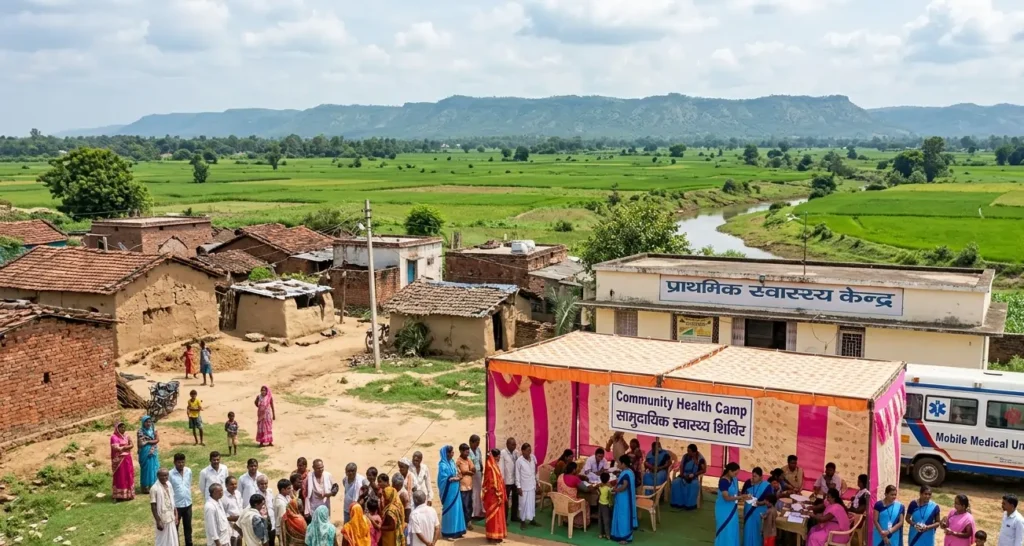
Healthcare accessibility remains one of the most important public health priorities in India. Although the country has made considerable progress in expanding healthcare infrastructure and improving health outcomes, access to quality healthcare services remains uneven between urban and rural regions.
For millions of people living in villages and remote communities, healthcare facilities often serve as the first line of defense against disease, maternal health challenges, infectious outbreaks, and chronic conditions. Rural healthcare systems therefore play a critical role in supporting population health and reducing healthcare disparities.
As India continues to strengthen its healthcare sector, improving rural healthcare delivery has become increasingly important for policymakers, public health professionals, and healthcare institutions alike.
Current Rural Healthcare Landscape in India
Rural healthcare continues to be a major public health priority in India. According to government health initiatives, the expansion of more than 1.7 lakh Ayushman Arogya Mandirs (formerly Health and Wellness Centers) is helping strengthen primary healthcare delivery across rural communities. These facilities are designed to provide preventive, promotive, and basic curative services closer to where people live.
At the same time, telemedicine platforms, digital health records, and mobile health services are improving healthcare accessibility in remote regions. Despite these developments, workforce shortages, infrastructure gaps, and geographic barriers remain significant challenges in many parts of rural India. Addressing these issues will be critical for achieving equitable healthcare access and improving long-term population health outcomes.
Understanding Rural Healthcare Systems
Rural healthcare systems consist of healthcare facilities, public health programs, healthcare workers, and community-based services designed to meet the health needs of rural populations. These systems include primary health centers, community health centers, sub-centers, district hospitals, and outreach programs that provide preventive and curative healthcare services.
Rural healthcare delivery operates within broader public health systems that focus on improving population health, disease prevention, and healthcare accessibility.
The effectiveness of rural healthcare systems directly influences national health indicators, including maternal health, child health, immunization coverage, and disease control outcomes.
Why Is Rural Healthcare Important for Public Health?
Rural healthcare is not simply about providing medical services in villages. It is also about ensuring equitable access to healthcare regardless of geography, income, or social conditions.
Many public health challenges emerge more prominently in rural areas due to limited healthcare infrastructure, transportation barriers, and shortages of trained healthcare professionals. When rural populations lack access to healthcare services, preventable diseases may go untreated and health inequalities can widen.
Strong rural healthcare systems contribute to healthier communities, improved workforce productivity, and better long-term population health outcomes.
Key Challenges Facing Rural Healthcare in India
Despite improvements in healthcare infrastructure, rural healthcare systems continue to face several challenges.
Healthcare workforce shortages remain one of the most significant concerns. Many rural facilities struggle to attract and retain doctors, nurses, and specialized healthcare professionals. Infrastructure limitations, equipment shortages, and transportation barriers can further affect healthcare delivery.
Why do rural areas often experience healthcare workforce shortages?
One of the biggest challenges facing rural healthcare systems is the uneven distribution of healthcare professionals. While a large share of India’s population lives in rural areas, healthcare workers, specialists, and advanced medical facilities are often concentrated in urban centers.
This imbalance can affect service availability, increase travel burdens for patients, and delay access to timely care. Public health experts increasingly recognize workforce planning, rural training programs, and digital health support systems as important solutions for strengthening healthcare delivery in underserved communities.
Role of Community-Based Healthcare Programs
Community engagement has become an important strategy for strengthening rural healthcare delivery. Community health workers, outreach programs, and local health initiatives help bridge gaps between healthcare facilities and rural populations.
Many successful public health interventions rely on community health programs that promote health education, preventive care, maternal health services, and disease awareness.
These initiatives help increase healthcare utilization and improve health outcomes in underserved communities.
Disease Prevention and Rural Health
Preventive healthcare plays a particularly important role in rural settings, where access to advanced medical facilities may be limited. Vaccination programs, health screenings, nutrition initiatives, and public awareness campaigns help reduce disease burden and improve community well-being.
How can disease prevention strengthen rural healthcare systems?
Preventive interventions reduce the need for costly treatments by identifying health risks early and promoting healthier behaviors. Public health agencies often prioritize disease prevention strategies to improve population health and reduce healthcare disparities.
Investments in prevention can have a lasting impact on rural health outcomes.
Health Policy and the Future of Rural Healthcare
Government policies play a crucial role in shaping healthcare accessibility and healthcare infrastructure development. National health programs, workforce initiatives, and healthcare financing strategies influence how healthcare services are delivered across rural regions.
How does health policy influence rural healthcare access?
Healthcare policies help determine resource allocation, healthcare workforce distribution, infrastructure investment, and public health priorities. Effective health policy and governance frameworks are essential for strengthening rural healthcare systems and reducing regional health inequalities.
Long-term improvements in rural healthcare depend on sustained policy support and strategic planning.
Can technology improve healthcare access in rural India?
Technology is becoming an important enabler of rural healthcare delivery. Telemedicine services, mobile health applications, and digital health records help connect patients with healthcare professionals even when physical healthcare infrastructure is limited. While technology cannot fully replace healthcare facilities and workforce availability, it can significantly improve accessibility, continuity of care, and healthcare monitoring in rural communities.
Academic Relevance for Future Public Health Professionals
Understanding rural healthcare systems is an important component of the Master of Public Health (MPH) program at RIHS. Public health professionals must understand the social, economic, and healthcare factors that influence health outcomes in rural populations.
Knowledge of rural healthcare challenges helps future public health leaders develop effective interventions that improve healthcare access and strengthen population health.
The Future of Rural Healthcare in India
The future of rural healthcare will depend on a combination of infrastructure development, workforce strengthening, technology adoption, and community engagement. Telemedicine, digital health platforms, and integrated primary healthcare models are expected to play a larger role in expanding access to healthcare services across remote regions.
As healthcare systems become more connected and data-driven, public health professionals will be increasingly involved in designing programs that improve healthcare accessibility, reduce health inequalities, and strengthen community health outcomes. Rural healthcare is therefore likely to remain a major focus area for public health planning and healthcare policy in the coming decade.
