
Maternal and Child Health: Improving Health Outcomes for Mothers and Children
Maternal and child health is one of the most important areas of public health because the health of mothers and children is closely connected. Care during pregnancy, childbirth and the postnatal period can influence not only immediate health outcomes but also a child’s growth, development and health in later life.
Maternal health includes the health and well-being of women during pregnancy, childbirth and after delivery. Child health covers the newborn period through childhood, including nutrition, immunization, prevention and treatment of illnesses, growth and development, and access to essential healthcare.
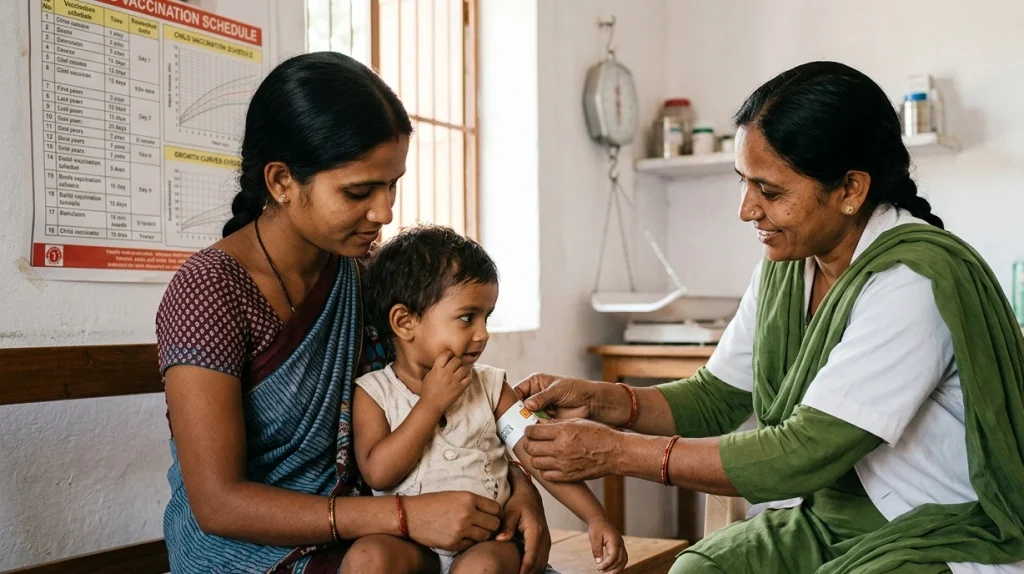
In India, improving maternal and child health requires more than care at the time of delivery. Antenatal services, skilled birth attendance, newborn care, breastfeeding support, nutrition, immunization, community-level interventions and timely referral all contribute to stronger public health services.
Maternal and child health is also influenced by factors outside healthcare facilities. Poverty, education, sanitation, nutrition, living conditions and access to healthcare can all affect health outcomes. These social determinants of health can influence whether mothers and children are able to receive timely and appropriate care.
What Is Maternal and Child Health?
Maternal and Child Health (MCH) refers to the healthcare services, public health programmes and interventions designed to protect and improve the health of women, mothers, newborns and children.
Maternal health primarily covers pregnancy, childbirth and the postnatal period. It includes preventive care, identification of pregnancy-related risks, management of complications, skilled care during childbirth and support for women after delivery.
Child health begins before birth because a child’s health is influenced by the mother’s health and nutrition during pregnancy. After birth, attention shifts towards essential newborn care, breastfeeding, immunization, nutrition, prevention and treatment of childhood illnesses, and healthy physical and developmental growth.
Maternal and child health therefore brings together multiple areas of healthcare and public health rather than focusing on a single stage of life.
The Continuum of Care
One of the most useful ways to understand maternal and child health is through the continuum of care. Instead of treating maternal, newborn and child health as completely separate areas, this approach connects services across different stages.
It can include:
- Pre-pregnancy and reproductive health
- Antenatal care during pregnancy
- Skilled care during childbirth
- Postnatal care for mothers
- Essential newborn care
- Breastfeeding and infant nutrition
- Childhood immunization
- Growth and development monitoring
- Prevention and treatment of childhood illnesses
- Community-based healthcare and referral services
This continuity is important because health risks can appear at different stages. A woman may need screening and treatment during pregnancy, while a newborn may require immediate attention after birth and continued monitoring during the first weeks and months of life.
At the community level, these services also depend on trained healthcare workers who can provide health education, identify risks and connect families with appropriate facilities. Effective health workforce planning is therefore important for delivering maternal and child health services, particularly in areas where access to healthcare remains limited.
Maternal Health and Child Health Are Closely Connected
The health of a mother can directly influence the health of her child. Poor maternal nutrition, untreated illness, inadequate antenatal care or complications during pregnancy can increase health risks for both the mother and baby.
The connection continues after childbirth. A mother’s physical and emotional well-being, her ability to breastfeed, household conditions and access to healthcare can all influence early childhood health and development.
This is why maternal and child health programs need to consider mothers and children together rather than treating them as completely separate groups.
Community-level interventions are particularly important in reaching families outside healthcare facilities. Health education, maternal support, child health services, early identification of risks and referral can help connect households with the wider healthcare system. Well-designed community health programs can therefore contribute to better maternal and child health outcomes.
From Survival to Healthy Development
Maternal and child health programmes have traditionally placed strong emphasis on preventing maternal, newborn and child deaths. Reducing avoidable deaths remains essential, but public health goals extend beyond survival.
For children, healthy development also depends on adequate nutrition, immunization, protection from preventable diseases, responsive caregiving and access to appropriate healthcare. Early childhood is a particularly important period because health and nutritional problems during these years can affect growth and development.
For mothers, care should not end after a safe delivery. Postnatal support, management of complications, nutritional care and continued access to healthcare are important parts of maternal well-being.
This broader perspective makes maternal and child health an important part of population health. Improving outcomes for mothers and children requires coordinated action across households, communities, healthcare facilities and public health programmes.
It also highlights the importance of disease prevention strategies in maternal and child health. Preventing infections, improving vaccination coverage, supporting good nutrition and identifying health risks early can help reduce avoidable illness among mothers and children.
Why Maternal and Child Health Matters in Public Health
Maternal and child health is a major public health priority because the health of mothers and children can influence families, communities and future generations. Poor health during pregnancy or early childhood can have consequences that extend well beyond the immediate illness or complication.
For mothers, access to timely and appropriate healthcare can help identify health risks during pregnancy, support safer childbirth and provide care during the postnatal period. For children, interventions such as immunization, adequate nutrition, newborn care and early treatment of illness can help prevent avoidable disease and support healthy development.
The importance of maternal and child health also becomes clearer when viewed at the population level. High levels of maternal or child illness can place additional pressure on families and healthcare systems, while better health outcomes can contribute to healthier communities and improved quality of life.
Preventing Avoidable Health Risks
Prevention is central to maternal and child health. Many health problems can be reduced when risks are identified early and families have access to appropriate information and services.
During pregnancy, regular antenatal care can help monitor the health of the mother and developing baby. Healthcare providers can identify warning signs, provide nutritional guidance and arrange further care when complications or higher-risk conditions are identified.
After birth, preventive care continues through newborn assessments, breastfeeding support, immunization, nutrition monitoring and timely management of illness.
These measures are closely connected with wider disease prevention strategies, particularly those focused on preventing infections and reducing exposure to avoidable health risks.
Nutrition as a Foundation for Health
Nutrition is another important component of maternal and child health. A mother’s nutritional status before and during pregnancy can affect her own health as well as the growth and development of the baby.
After birth, breastfeeding provides important nutrition during early infancy. As children grow, adequate dietary intake becomes increasingly important for physical growth, cognitive development and resistance to illness.
Nutrition challenges can also be influenced by household income, food availability, education and living conditions. This means that improving maternal and child nutrition often requires interventions that go beyond clinical services.
Public health programmes therefore need to consider both individual healthcare needs and the wider circumstances in which mothers and children live.
Immunization and Protection from Preventable Diseases
Immunization is one of the key preventive interventions within child health. Vaccines help protect children against a range of infectious diseases and contribute to reducing transmission within communities.
Maternal immunization can also have an important role in protecting women and, in some circumstances, providing protection to newborns through maternal antibodies.
Effective immunization programs depend on more than vaccine availability. Families need information, accessible services, reliable supply systems and healthcare workers who can support vaccination and address concerns.
This is where well-designed community health programs can play an important role by bringing preventive health services and health education closer to families.
Maternal and Child Health and Health Equity
Not every mother or child has the same opportunity to access healthcare. Differences in household income, geography, education, social conditions and availability of health facilities can create significant inequalities in health outcomes.
Rural and remote communities may face additional challenges because healthcare facilities can be farther away and specialist services may be less accessible. Families experiencing financial or social disadvantage may also delay seeking care because of direct and indirect costs.
Addressing these differences requires public health systems to identify underserved populations and design services around their specific needs. Understanding social determinants of health is therefore important when developing strategies to improve maternal and child health.
The Role of Healthcare Workers
Healthcare workers are central to delivering maternal and child health services. Doctors, nurses, midwives, community health workers and other frontline professionals may contribute at different stages of care.
Their responsibilities can include:
- Providing antenatal and postnatal care
- Supporting safe childbirth
- Identifying maternal and newborn health risks
- Providing newborn and child health services
- Supporting breastfeeding and nutrition
- Delivering or supporting immunization services
- Educating families about healthy practices
- Identifying warning signs and making timely referrals
- Following up with mothers and children in the community
Ensuring that enough appropriately trained professionals are available in the right locations is therefore an important public health consideration. Effective health workforce planning can help health systems respond to population needs and improve access to essential maternal and child health services.
Maternal and Child Health as a Long-Term Public Health Investment
Improving maternal and child health can have benefits that extend across the life course. A healthy pregnancy, safe birth, adequate nutrition, protection from preventable diseases and appropriate early childhood care can provide children with a stronger foundation for healthy growth.
For mothers, timely care can reduce preventable complications and support better health during and after pregnancy.
For public health systems, this means MCH should not be viewed as a collection of isolated services. It requires coordination between communities, frontline health workers, primary healthcare facilities, hospitals and public health programmes.
Strong maternal and child health systems ultimately contribute to healthier families and stronger communities.
Maternal Health Across Pregnancy, Childbirth and the Postpartum Period
Maternal health involves a continuous process of care that begins before pregnancy and continues through pregnancy, childbirth and the postpartum period. Each stage has different health needs, and gaps in care at any point can increase risks for both the mother and baby.
Good maternal healthcare is therefore not limited to managing complications when they occur. It also involves prevention, regular assessment, health education, early identification of risks and timely access to appropriate care.
Care During Pregnancy
Pregnancy brings significant physical and physiological changes, making regular healthcare important for monitoring the health of both the mother and developing baby.
Antenatal care provides an opportunity to assess maternal and foetal health, identify potential complications and provide appropriate guidance throughout pregnancy. Depending on the individual needs of the woman, antenatal services may include health assessments, recommended tests, nutritional counselling, supplementation, immunization and advice about warning signs that require medical attention.
Regular contact with healthcare providers also gives women an opportunity to discuss concerns and understand what to expect during pregnancy and childbirth.
However, access to antenatal care can vary considerably. Distance from healthcare facilities, financial difficulties, lack of awareness and social barriers may prevent some women from receiving care at the recommended stages of pregnancy.
Identifying High-Risk Pregnancies
Not every pregnancy carries the same level of risk. Certain medical, nutritional, demographic and social factors can increase the likelihood of complications.
Healthcare providers may therefore assess women for conditions or circumstances that require closer monitoring or referral to higher levels of care.
Early identification is important because some complications can become serious if they are not recognised and managed in time. A functioning referral system is particularly important when specialised investigation or treatment is not available at the first point of contact.
This requires coordination between community-level workers, primary healthcare facilities and hospitals so that women can move through the healthcare system when additional care is needed.
Care During Childbirth
Childbirth is a critical stage in maternal and newborn health. Even when pregnancy has progressed normally, complications can sometimes develop during labour or delivery and require immediate medical attention.
Skilled healthcare professionals can monitor the mother and baby, identify complications and provide appropriate care or arrange referral when necessary. Access to a facility capable of managing obstetric emergencies can be particularly important for women with higher-risk pregnancies.
Safe childbirth therefore depends not only on the presence of a healthcare professional but also on the availability of medicines, equipment, trained staff, blood and referral arrangements when required.
Postpartum Care for Mothers
Maternal healthcare continues after delivery. The postpartum period is important for monitoring the mother’s recovery, identifying complications and supporting her transition into caring for the newborn.
Postnatal care may include assessment of physical recovery, breastfeeding support, nutritional advice, family planning counselling and identification of symptoms that require further medical attention.
The postpartum period can also affect a woman’s emotional and mental well-being. Feelings of exhaustion, stress and emotional changes can occur after childbirth, while some women may experience more serious mental health difficulties that require professional support.
Ensuring that women have continued access to appropriate care after childbirth can therefore help address both immediate and longer-term health needs.
Maternal Health and Family Support
Maternal health is also influenced by the environment in which a woman lives. Family support, household resources, transportation, nutrition and the ability to reach healthcare facilities can all affect whether she receives timely care.
Environmental conditions can also influence maternal and child health, particularly where families face problems related to sanitation, unsafe water, pollution or other hazards. This connection between living conditions and health makes environmental health relevant to the broader understanding of maternal and child well-being.
Public health interventions therefore need to consider the practical realities faced by women and families. Health education and community outreach can help improve awareness, while accessible healthcare services can reduce some of the barriers between families and the health system.
When maternal healthcare is integrated with broader reproductive and community services, women can receive support across different stages rather than only during pregnancy and childbirth.
Newborn and Child Health
Maternal health and child health are closely connected, but the period after birth brings a new set of healthcare needs. The first days and weeks of life are particularly important because newborns can be vulnerable to infections, feeding difficulties, birth complications and other health problems that may require prompt attention.
As children grow, healthcare needs gradually expand beyond newborn care. Regular monitoring of growth and development, immunization, nutrition, prevention of illness and timely treatment all contribute to healthier childhood.
Essential Newborn Care
The transition from pregnancy to life outside the womb is a critical period for a newborn. Immediate and appropriate care can help the baby adapt to the new environment and allow healthcare workers to identify problems that may require further attention.
Essential newborn care may include:
- Keeping the newborn warm
- Supporting early and appropriate breastfeeding
- Maintaining hygiene and infection prevention
- Monitoring breathing and other vital signs
- Identifying signs of illness or complications
- Providing appropriate newborn examinations
- Ensuring timely referral when specialised care is required
Newborns who are premature, have low birth weight or experience complications around birth may require additional monitoring and specialized care.
The availability of appropriate newborn services at different levels of the health system is therefore important. Facilities need trained staff, essential equipment and effective referral arrangements to respond when a newborn requires more advanced care.
Breastfeeding and Early Nutrition
Nutrition during infancy has an important role in healthy growth and development. Breastfeeding provides essential nutrients and supports the infant during the early stages of life.
Families may require practical support and accurate information about breastfeeding, particularly when mothers experience difficulties after childbirth. Healthcare workers can help mothers understand appropriate feeding practices and identify situations where additional support may be required.
As children grow, their nutritional needs change. Complementary foods need to be introduced at the appropriate stage while continuing breastfeeding as recommended. The quality and adequacy of a child’s diet can have a direct bearing on growth, development and resistance to illness.
Nutrition should therefore remain an important component of child health services rather than being addressed only when a child becomes visibly undernourished.
Monitoring Growth and Development
Child health involves more than measuring whether a child is growing physically. Regular monitoring can help identify developmental concerns and other health problems at an early stage.
Healthcare providers may assess areas such as:
- Physical growth
- Weight and nutritional status
- Motor development
- Communication and language
- Behaviour and social interaction
- Hearing and vision
- General physical health
Early identification of developmental difficulties can give families an opportunity to seek appropriate assessment and support. It can also help healthcare systems understand the needs of children within different communities.
Immunization Throughout Childhood
Immunization is an essential component of child health because it protects children against several vaccine-preventable diseases. Maintaining recommended vaccination schedules can reduce the risk of serious illness and help protect communities by reducing transmission.
Successful immunization programs depend on accessible vaccination services, reliable vaccine supply, trained healthcare workers and families having clear information about when vaccines are due.
Communication is particularly important because parents and caregivers need understandable information about childhood vaccination and other preventive services. Effective health communication can help public health programs reach families with accurate and timely information.
Preventing and Managing Childhood Illnesses
Children can be affected by a range of infectious and non-infectious health conditions. Respiratory infections, diarrhoeal illnesses, nutritional deficiencies and other childhood health problems can affect growth and well-being, particularly when treatment is delayed.
Prevention begins with basic health measures such as appropriate nutrition, immunization, hygiene, safe water and a healthy living environment. At the same time, parents and caregivers need to recognize warning signs and know when professional medical care is necessary.
Primary healthcare services can provide an important first point of contact for childhood illness. When a condition requires more specialised assessment or treatment, an effective referral system can help ensure that the child receives appropriate care without unnecessary delay.
Supporting Children Beyond Physical Health
Child health also includes emotional, social and developmental well-being. Children need safe environments, supportive relationships and opportunities to learn and develop alongside access to healthcare.
Factors such as family circumstances, living conditions, education and social support can influence a child’s overall well-being. This means that child health cannot be addressed entirely through clinical services.
A stronger approach combines healthcare with nutrition, early childhood development, family support, community interventions and protection from harmful environments. Such an integrated approach helps ensure that children are not only protected from disease but also supported as they grow.
Nutrition and Immunization in Maternal and Child Health
Nutrition and immunization are two important pillars of maternal and child health. Both influence a person’s ability to remain healthy, prevent disease and recover from illness. Their importance begins during pregnancy and continues through infancy and childhood.
A strong maternal and child health approach therefore needs to address nutritional needs alongside preventive healthcare. It also needs to recognise that access to adequate food, vaccination and healthcare can vary between households and communities.
Maternal Nutrition During Pregnancy
A woman’s nutritional needs increase during pregnancy as her body supports the growth and development of the baby. Adequate nutrition can support maternal health and contribute to healthy foetal development.
Poor maternal nutrition can increase the risk of adverse pregnancy outcomes and can affect the health of both mother and child. Nutritional assessment and counselling during antenatal care can therefore help identify problems and provide women with appropriate guidance.
Maternal nutrition is influenced by more than individual food choices. Household income, food availability, education, cultural practices and access to health services can all shape what women are able to eat during pregnancy.
This is why nutrition interventions need to be connected with wider public health measures rather than being treated as an isolated healthcare issue.
Infant and Young Child Nutrition
The nutritional needs of children change rapidly during the early years of life. Breastfeeding provides important nutrition during infancy, while complementary feeding becomes necessary as children grow.
Caregivers need access to practical information about appropriate feeding, dietary diversity, hygiene and the nutritional needs of young children. Healthcare workers can support families by identifying growth concerns and providing appropriate counselling or referral.
Poor nutrition during childhood can affect physical growth, immune function and development. In more severe cases, undernutrition can also increase vulnerability to infections and other health problems.
At the same time, public health programmes increasingly need to consider both undernutrition and unhealthy dietary patterns, particularly as children grow older. A balanced approach to nutrition can help address different forms of malnutrition across the life course.
Micronutrients and Maternal-Child Health
Micronutrients such as iron, folate, vitamin A and iodine play important roles in maternal and child health. Deficiencies can affect maternal well-being, pregnancy outcomes, growth and development.
Healthcare and public health programmes may use supplementation, dietary counselling, food-based approaches and fortification strategies to address nutritional deficiencies according to population needs.
The success of such interventions depends on awareness, availability of services, regular follow-up and the ability of healthcare workers to identify individuals who may need additional support.
Immunization During Pregnancy and Childhood
Immunization provides protection against a number of vaccine-preventable diseases and forms an important part of preventive healthcare.
During pregnancy, recommended maternal vaccines can help protect women from certain infections and may also provide some protection to newborns. After birth, children follow age-appropriate immunization schedules that provide protection during different stages of childhood.
Maintaining vaccination coverage requires reliable services and continued engagement with families. Missed vaccinations can occur for several reasons, including difficulty reaching healthcare facilities, lack of information, mobility of families and interruptions in service delivery.
Public health systems therefore need to combine accessible vaccination services with effective outreach and follow-up.
Using Health Data to Strengthen Nutrition and Immunization Programs
Maternal and child health programs also depend on reliable information about the populations they serve. Data on nutritional status, vaccination coverage, disease patterns and healthcare utilization can help public health teams identify gaps and understand where additional interventions may be needed.
For example, analysing vaccination coverage can help identify communities where children are being missed, while nutritional data can help identify groups experiencing higher levels of undernutrition.
This is where biostatistics in public health can support evidence-based decision-making. Statistical methods can help public health professionals analyze health data, measure patterns and evaluate whether interventions are achieving their intended outcomes.
Reaching Underserved Mothers and Children
Nutrition and immunization services are not equally accessible to every family. Children living in remote areas or households facing economic difficulties may experience greater barriers to preventive and nutritional services.
Community-based outreach can help identify children who have missed vaccinations, mothers who require nutritional support and families that may benefit from referral to healthcare facilities.
This is particularly important in areas where distance or limited transport makes regular facility-based care difficult. Bringing essential services closer to families can help reduce some of these access gaps.
Integrating Nutrition and Preventive Care
Nutrition and immunization are often more effective when they are integrated into a broader maternal and child health system. A mother visiting a healthcare facility for antenatal care may also need nutritional counselling and recommended preventive services. Similarly, a child attending an immunization session may benefit from growth monitoring and health education.
This integrated approach reduces the need to treat each health need separately and can make better use of available healthcare resources.
It also highlights the importance of coordination between healthcare workers, community services and public health programmes. When these different components work together, mothers and children are more likely to receive continuous support throughout pregnancy, infancy and childhood.
Maternal and Child Health in the Indian Context
India has made significant progress in improving maternal and child health, but outcomes can still vary across states, districts and population groups. The country’s large and diverse population means that maternal and child health services need to address differences in geography, socioeconomic conditions, nutrition, healthcare access and local health needs.
India’s public health approach increasingly focuses on providing a continuum of care from pregnancy and childbirth through the newborn and childhood years. This involves services at community and primary healthcare levels as well as referral and specialist care when required.
Maternal Health Services in India
Maternal healthcare in India includes antenatal care, skilled care during childbirth, postnatal services, referral for complications and support for maternal nutrition and family planning.
Public health facilities play an important role in providing these services, particularly for women who may face financial, geographical or social barriers to accessing private healthcare.
Antenatal visits provide opportunities to monitor pregnancy, identify risks and provide health and nutritional counselling. During childbirth, access to skilled healthcare professionals and facilities capable of managing complications is essential.
Postnatal care continues this support after delivery by monitoring the mother’s recovery, supporting breastfeeding and identifying health concerns that may require further attention.
The Role of Primary Healthcare
Primary healthcare is an important part of maternal and child health because it brings essential services closer to where families live.
Health and Wellness Centres, Sub-Centres, Primary Health Centres and other facilities can contribute to preventive care, screening, health education, maternal services, child health services and referrals.
The effectiveness of these services depends on adequate infrastructure, trained personnel, essential medicines, equipment and reliable referral systems. Strengthening primary healthcare can therefore help improve continuity of care, particularly for communities that experience difficulties accessing higher-level facilities.
Reaching Rural and Underserved Communities
Geographical access remains an important consideration in India’s maternal and child health landscape. Women and children living in remote or rural areas may have to travel considerable distances to reach facilities offering specialised services.
Transport availability, household resources, awareness and local availability of healthcare workers can also influence whether families seek care when they need it.
Community-based services can help bridge some of these gaps by bringing health education, preventive interventions and follow-up closer to households. However, community services need to be connected to functioning healthcare facilities so that people identified with complications or higher health needs can receive appropriate care.
Maternal and Child Health Programmes
India’s maternal and child health efforts are supported by national health programs and initiatives that address different stages of the continuum of care. These include interventions related to reproductive, maternal, newborn, child and adolescent health, nutrition, immunization and disease prevention.
Such programmes require coordination between national, state, district and local health systems. Their implementation also depends on regular monitoring to understand whether services are reaching the intended populations and where gaps remain.
Public health professionals working in this area may need to examine population-level data, service coverage and health outcomes to identify priorities and evaluate interventions. This makes health data analytics in public health relevant to planning and improving maternal and child health services.
Improving Quality of Maternal and Child Healthcare
Expanding access to healthcare is important, but the quality of services also matters. Mothers and children need care that is timely, safe, respectful and appropriate to their health needs.
Quality improvement can involve better clinical practices, trained staff, availability of essential resources, infection prevention, accurate health information and effective referral systems.
For families, respectful communication and a positive experience with healthcare providers can also influence whether they continue to use health services and seek care when needed.
The Importance of Community Participation
Maternal and child health cannot be improved through healthcare facilities alone. Families and communities are active participants in maintaining health and recognising when professional care is needed.
Community health workers can help provide health education, encourage appropriate use of health services, support preventive interventions and follow up with mothers and children.
Community participation can also help public health programmes understand local barriers and adapt interventions to the needs of different populations. When communities are involved alongside healthcare providers and public health authorities, maternal and child health initiatives can become more responsive and sustainable.
Challenges Affecting Maternal and Child Health
Despite improvements in maternal and child healthcare, several challenges continue to influence health outcomes. These challenges are often interconnected, which means that improving one area alone may not be enough to create sustained improvements.
Access to healthcare, quality of services, nutrition, social conditions, health awareness and the availability of trained healthcare workers can all influence whether mothers and children receive appropriate care at the right time.
Unequal Access to Healthcare
One of the major challenges is unequal access to healthcare. Women and children living in remote areas may face longer travel distances, limited transportation and fewer nearby facilities capable of providing specialised services.
Financial constraints can create additional barriers. Even when essential services are available, transportation costs, lost wages and other indirect expenses can make it difficult for families to seek care promptly.
Improving access therefore requires attention to both the availability of healthcare facilities and the practical barriers that families face when trying to use them.
Shortages and Uneven Distribution of Healthcare Workers
The availability of trained healthcare professionals is another important consideration. Some areas may have better access to doctors, nurses and other specialists than others.
Uneven distribution of healthcare workers can affect the continuity and quality of maternal and child health services. Rural and underserved communities may be particularly affected when trained professionals are difficult to retain.
Healthcare systems therefore need strategies that support recruitment, training, retention and appropriate distribution of health professionals.
Maternal and Child Nutrition Challenges
Nutrition remains an important challenge for many mothers and children. Poor maternal nutrition can affect pregnancy and maternal well-being, while inadequate nutrition during childhood can influence growth, development and resistance to illness.
At the same time, nutritional challenges are not limited to food availability. Knowledge, household income, dietary practices, sanitation and access to healthcare can all contribute to nutritional outcomes.
Addressing these issues requires coordinated interventions involving healthcare services, nutrition programmes, community outreach and broader social support.
Delayed Recognition and Treatment
Some maternal and child health complications become more difficult to manage when care is delayed. A delay may occur because warning signs are not recognised, families are unable to reach a facility quickly or appropriate services are not available at the first point of contact.
Health education can help families understand important warning signs and encourage timely use of healthcare services. Healthcare facilities also need effective referral pathways so that patients who require specialised treatment can be transferred without unnecessary delays.
Gaps in Continuity of Care
Another challenge is maintaining continuity between different stages and levels of healthcare. A woman may receive antenatal care at one facility, give birth at another and require postnatal follow-up through community services.
If information and referrals are not coordinated, important aspects of care can be missed.
Similarly, children may move between community services, primary healthcare facilities and hospitals as their needs change. Strong coordination can help ensure that health information, referrals and follow-up are connected across these different points of care.
Health Information and Decision-Making
Reliable health information is essential for understanding where maternal and child health needs are greatest. Public health teams need information about service coverage, health outcomes, population groups at higher risk and areas where healthcare access remains limited.
Without reliable data, it can be difficult to identify gaps or determine whether an intervention is producing meaningful improvements.
This makes effective healthcare data management important for maintaining accurate information and supporting better coordination, monitoring and decision-making across health services.
Social and Cultural Barriers
Social and cultural factors can also influence maternal and child health. Decisions about when and where to seek healthcare may be influenced by family structures, traditions, awareness, gender roles and previous experiences with health services.
In some communities, women may have limited control over decisions related to their own healthcare or may face difficulties travelling to healthcare facilities without family support.
Public health programmes need to understand these local realities rather than relying only on a facility-based approach. Culturally appropriate communication, community engagement and involvement of families can help make health interventions more effective.
Building More Responsive Health Systems
The challenges affecting maternal and child health cannot be addressed through a single intervention. Improvements require coordination across healthcare facilities, communities, public health programmes and government systems.
Strengthening primary healthcare, improving referral mechanisms, supporting healthcare workers, addressing nutritional needs and reducing social and geographical barriers can collectively contribute to better outcomes.
The goal is not simply to increase the number of services available, but to ensure that mothers and children can access the right care at the right time and receive continued support throughout the different stages of their health journey.
Strategies to Improve Maternal and Child Health
Improving maternal and child health requires a coordinated approach that addresses healthcare access, quality of services, nutrition, prevention and the social conditions affecting families. No single intervention can address every maternal or child health need.
A stronger approach connects services across pregnancy, childbirth, the newborn period and childhood while ensuring that families can access appropriate care when they need it.
Strengthening Antenatal and Postnatal Care
Regular antenatal care can help identify health risks early and provide women with appropriate guidance throughout pregnancy. Improving the availability and quality of antenatal services is therefore an important part of maternal health improvement.
Postnatal care needs similar attention. Women should have opportunities to receive appropriate follow-up after childbirth, while newborns require monitoring and support during the early period of life.
Healthcare systems can improve continuity by ensuring that mothers and newborns are followed up after leaving a health facility and that those requiring additional care are referred promptly.
Improving Access to Skilled Care
Access to skilled healthcare professionals during pregnancy, childbirth and the postnatal period can help reduce preventable complications. Facilities also need the equipment, medicines, trained staff and referral arrangements required to respond to emergencies.
Strengthening primary healthcare can bring essential services closer to communities, while effective referral networks can connect patients with higher-level facilities when specialised treatment is required.
This approach is particularly important for rural and underserved populations where distance and limited transportation can create additional barriers.
Strengthening Newborn and Child Health Services
Newborn and child health services need to address both prevention and timely treatment. Essential newborn care, breastfeeding support, immunization, growth monitoring and early identification of illness can help protect children during important stages of development.
Healthcare facilities and community services should also work together so that children who require additional assessment or treatment can be referred without unnecessary delays.
As children grow, health services should continue to monitor nutrition, development and vaccination status rather than focusing only on episodes of illness.
Improving Maternal and Child Nutrition
Nutrition interventions should be integrated into maternal and child health services. During pregnancy, women may need nutritional counselling, supplementation and monitoring according to their individual needs.
After birth, support for breastfeeding and appropriate complementary feeding can help meet the nutritional needs of infants and young children.
At the community level, nutrition programmes can help identify children and mothers who may require additional support. Addressing food insecurity and other household-level barriers is equally important because nutritional outcomes are influenced by wider social and economic conditions.
Expanding Preventive Healthcare
Preventive healthcare can reduce the burden of avoidable illness among mothers and children. Immunization, health education, hygiene, nutrition and early detection all have important roles to play.
Prevention also requires families to understand when professional care is needed. Clear and accessible health information can help parents and caregivers recognise warning signs and seek appropriate care at the right time.
Using Evidence to Improve Programs
Maternal and child health programmes should be guided by reliable evidence about population needs and service performance. Data can help identify areas with low service coverage, groups experiencing poorer outcomes and gaps in access.
Regular monitoring can also help public health teams assess whether interventions are reaching the intended populations and whether changes are needed.
This evidence-based approach is particularly important when resources are limited. Public health professionals need to understand which interventions are working, where gaps remain and how programmes can be improved for different population groups.
Building Stronger Community-Based Services
Community-based services can help connect families with the formal healthcare system. Frontline workers can support health education, encourage appropriate use of maternal and child health services, identify risks and follow up with families.
Community outreach can be particularly valuable for populations that face geographical or social barriers to facility-based care.
However, community interventions are most effective when they are supported by functioning healthcare facilities and reliable referral mechanisms. The community and facility levels should therefore operate as connected parts of the same health system.
Making Maternal and Child Health Services More Responsive
Improving health outcomes also requires attention to the experience of mothers and families when they use healthcare services. Respectful communication, privacy, dignity and clear information can influence trust in the healthcare system.
Services should be designed around the needs of the populations they serve, while public health programs should regularly identify barriers that prevent families from accessing care.
A responsive maternal and child health system is therefore one that combines accessible services, skilled healthcare workers, preventive care, nutrition support, reliable data and effective community engagement to provide continuous care for mothers and children.
One important part of this approach is strengthening the healthcare workforce so that trained professionals are available where maternal and child health needs are greatest. Adequate staffing, appropriate skills and continued professional development can help health systems provide more consistent care across different levels of the healthcare system.
Building a Healthier Future for Mothers and Children
Improving maternal and child health requires sustained action across the entire healthcare system. Progress cannot depend on a single program, facility or intervention. It requires continued investment in preventive care, maternal services, newborn and child healthcare, nutrition, immunization and community-based support.
A healthier future begins with ensuring that women can access appropriate care before, during and after pregnancy. It also means ensuring that newborns and children receive the nutrition, preventive services and healthcare they need as they grow.
Keeping Care Continuous
Maternal and child health services are most effective when they remain connected across different stages of life. Antenatal care should lead into safe childbirth and appropriate postnatal support, while newborn care should connect with ongoing child health and development services.
This continuity helps reduce gaps in care and makes it easier to identify health concerns early. It also allows healthcare workers to follow up with mothers and children rather than treating each visit as an isolated event.
Reaching Families Where They Live
Healthcare facilities are essential, but many maternal and child health needs can also be addressed through community-level services. Outreach, health education, follow-up and early identification of health risks can help bring public health closer to families.
This is particularly important for communities where distance, transportation, financial limitations or other barriers make regular facility-based care difficult.
The long-term goal should be to create a system in which families can move easily between community services, primary healthcare and specialised facilities when required.
Supporting Better Public Health Decisions
Future maternal and child health programs will also depend on the ability to use reliable evidence and health information effectively. Monitoring service coverage, nutritional status, immunization, maternal outcomes and child health indicators can help identify where additional attention is required.
Public health professionals can use this information to understand changing needs, evaluate programmes and support better allocation of resources.
Making Resources Easier to Access
Students, healthcare professionals and public health practitioners also need access to reliable educational material to understand changing health priorities and strengthen their knowledge. Relevant healthcare resources can support learning and provide additional information for people working or studying in healthcare and public health.
A Shared Responsibility
Maternal and child health is not the responsibility of healthcare providers alone. Governments, health institutions, public health professionals, community workers, families and communities all have roles to play.
Improving outcomes requires attention to both healthcare services and the wider conditions that influence health. Better nutrition, accessible healthcare, effective prevention, health education and timely referral can work together to create stronger foundations for mothers and children.
Ultimately, the goal of maternal and child health is broader than reducing illness and mortality. It is about helping women experience healthier pregnancies and safer childbirth while giving newborns and children the opportunity to survive, grow, develop and lead healthier lives.
A sustained focus on accessible, equitable and quality maternal and child healthcare can help build healthier families today and a healthier population for the future.
Source & References
- Ministry of Health and Family Welfare, Government of India – Child Health Program & Immunization
- UNICEF India – Maternal Health
- UNICEF India – Newborn and Child Health
- UNICEF India – Immunization and Child Health
- UNICEF India – Coverage of Nutrition and Health Interventions in India
- World Health Organization – Maternal Health
- World Health Organization – WHO Recommendations on Maternal Health
- World Health Organization – Child Health
- World Health Organization – Promoting Healthy Growth and Development
- World Health Organization – Infant and Young Child Feeding
